If you want more space without leaving the city, Portage Park should be on your shortlist. You get tree-lined streets, classic Chicago homes, and a major park that anchors daily life. Prices still compare well with nearby Irving Park and Jefferson Park, and commute options make it practical. Below, you’ll see why buyers are circling Portage Park, what the housing stock looks like, how the market stacks up right now, and how to plan your next move. Let’s dive in.
Portage Park at a glance
Portage Park blends quiet residential blocks with lively commercial spines along Milwaukee, Irving Park, Montrose, and Cicero. Much of the housing is early 20th-century brick, and the neighborhood centers on its namesake park and the historic Six Corners crossroads.
The 36–38 acre Portage Park is the neighborhood’s signature green space, with two fieldhouses, multiple sports fields, tennis courts, a nature garden, and an Olympic-size outdoor pool plus a smaller heated pool. It is a year-round hub for programs and play. You can see the full list of amenities on the Chicago Park District’s Portage Park page.
Six Corners, long known for the landmark Portage Theater, is getting fresh energy. Recent and planned projects include senior housing, new retail pads, and a grocery anchor. For example, Block Club Chicago reported an Aldi planned to open at the Clarendale senior living building, part of an ongoing retail and mixed-use revival at the intersection. Read more about that update in Block Club’s coverage.
Easy access and commute
If you split time between the neighborhood, the Loop, and the airport, Portage Park lines up well. The Jefferson Park Transit Center connects the CTA Blue Line and Metra UP-NW, and nearby Blue Line stops at Montrose and Irving Park make downtown reachable in roughly 25 to 35 minutes from these transit nodes. Bus routes run along the major corridors, and O’Hare access is a clear plus for frequent fliers. Learn more about the hub at the Jefferson Park Transit Center.
Housing you can grow into
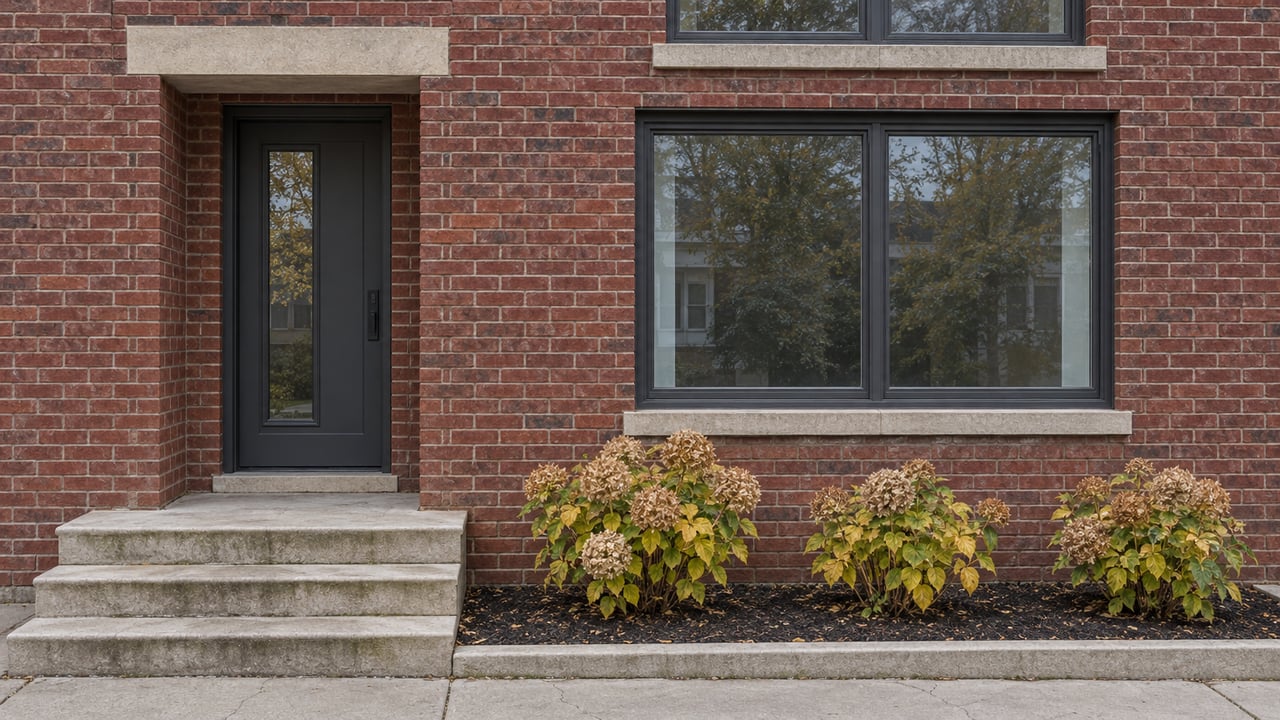
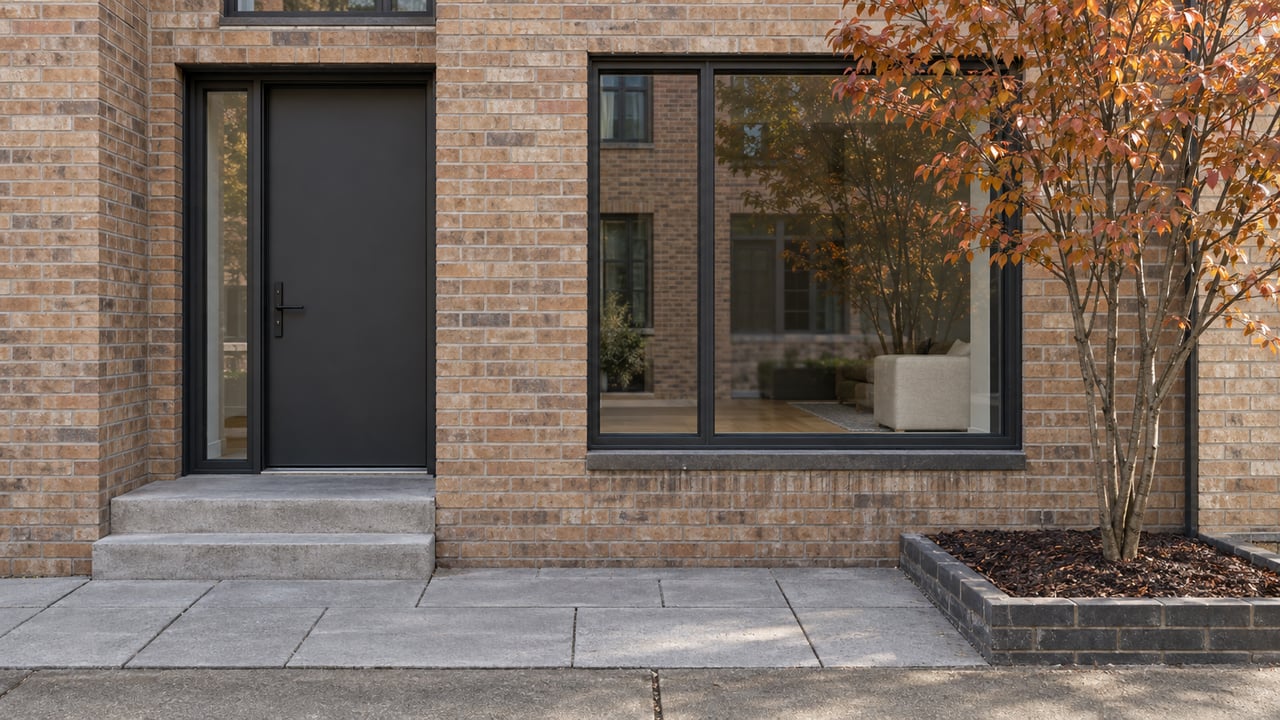
Portage Park’s housing mix leans strongly toward single-family homes. Many are brick Chicago-style bungalows or foursquares built in the early 1900s. That makes the neighborhood a draw if you want a yard and a front door at street level while staying inside the city. The Chicago Bungalow Association often cites the high density of classic bungalows here and the active restoration culture; explore that context on the Chicago Bungalow Association site.
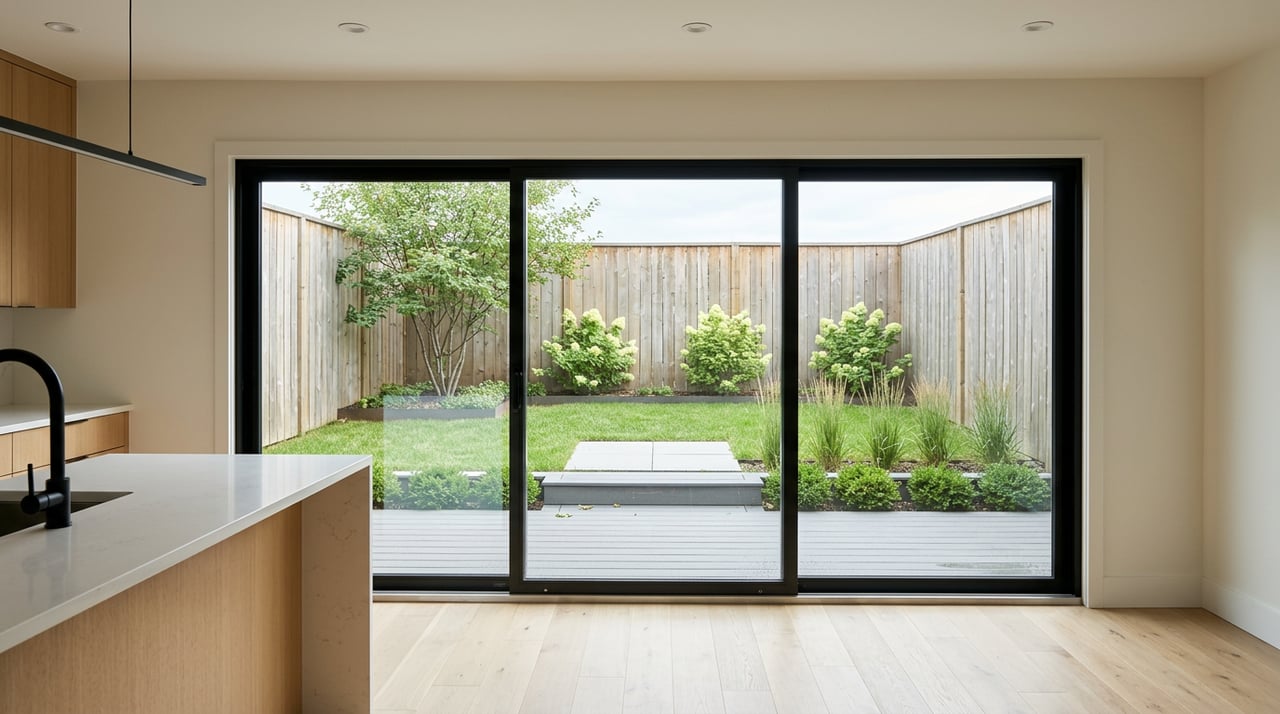
Typical lots are often around 25 by 125 feet. That size supports a usable backyard and a detached garage or parking pad. It also gives many homes a clear path to expand, whether you want a dormer, a partial second floor, or a rear addition.
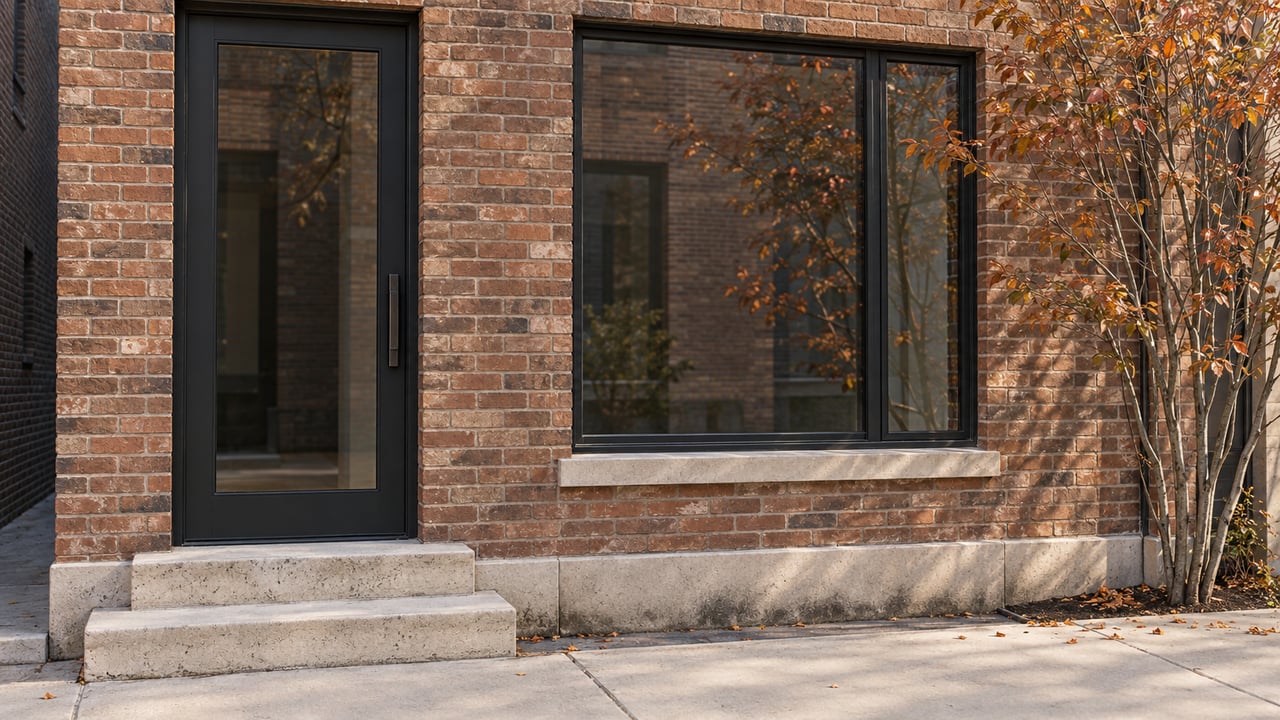
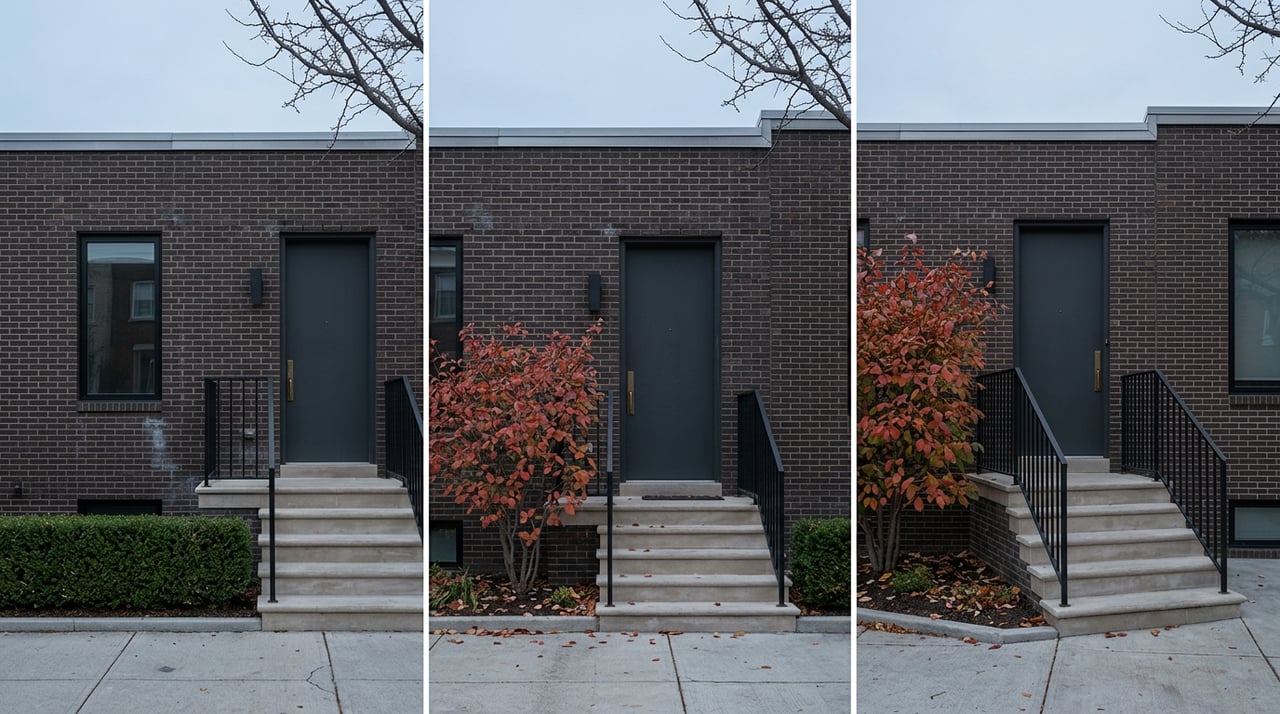
On the market, you’ll find a steady rotation of renovated bungalows, two-flats, and fresh infill single-family homes. If you like the character of vintage architecture but want modern systems and finishes, you’ll see plenty of well-executed rehabs alongside new builds with contemporary floor plans.
New builds and Six Corners momentum
Portage Park offers two types of “new.” On side streets, small-scale infill brings new single-family homes and two-flats on subdivided lots. Around Six Corners, larger mixed-use redevelopment is reshaping the commercial spine, pairing retail and services with multiunit apartments and senior housing. Block Club has highlighted projects like the Aldi within the Clarendale building and other new retail pads, signaling a broader reinvestment in the district. That steady private and public activity continues to raise the neighborhood’s profile. You can dig into the details in Block Club’s report.
Parks, schools, and daily life
For many buyers, Portage Park’s day-to-day ease is a big part of the appeal. The park’s facilities offer a backyard alternative just minutes from home:
- Two fieldhouses with gym and cultural arts programming
- Tennis courts and multiple ballfields
- A nature garden
- An Olympic-size outdoor pool with interactive water play
- A smaller heated pool
You can review programs and season details on the Park District’s page.
On schools, Portage Park Elementary is a Fine and Performing Arts Magnet Cluster within Chicago Public Schools. Other public schools commonly serving the area include Peter Reinberg Elementary, William P. Gray Elementary, and Smyser Elementary, with Foreman College & Career Academy as the local CPS high school. Always confirm attendance boundaries directly with CPS. For program details and contacts, visit the CPS profile for Portage Park Elementary.
Market snapshot: Where prices sit now
Portage Park’s pricing sits in the middle of the Northwest Side pack and has been active but mixed over the last year. Using neighborhood-level sold data, Redfin reported a median sale price of about 442,500 dollars in January 2026, down roughly 3.8 percent year over year, with a median of 58 days on market and a “somewhat competitive” label. That is one snapshot, so it helps to look at a second measure.
Listing and index metrics show a range, which is normal. In December 2025, Realtor.com reported a median list price of about 536,500 dollars and flagged strong demand on its Hotness index. Rocket Homes’ June 2025 snapshot showed a median sold price around 450,000 dollars and a median of roughly 234 dollars per square foot. Zillow’s ZHVI, which tracks typical home values across housing types, put Portage Park at about 386,198 dollars as of January 31, 2026. Inventories were tight in late 2025 and early 2026, and the ongoing Six Corners redevelopment supports buyer interest and local price resilience.
How Portage Park compares nearby
Looking at the same sold-price window for January 2026, Redfin showed Jefferson Park with a median sale price around 455,000 dollars, up about 5.8 percent year over year. Irving Park posted a higher median of about 510,000 dollars, up roughly 1.5 percent. In short, Portage Park sits slightly below Jefferson Park and clearly below Irving Park on this snapshot. That gap, paired with access and amenities, is a key reason many buyers see Portage Park as strong value for size and yard.
Who Portage Park fits
- Condo-upgraders who want a yard, garage, and room to grow
- Commuters who want practical Blue Line and Metra access plus an easy run to O’Hare
- Design-minded buyers choosing between a polished bungalow rehab and a new-build layout
- Long-term planners who value a large park, neighborhood-scale retail, and steady reinvestment
Buying or selling with a plan
You get better outcomes with a clear process and local expertise. Jason O’Beirne pairs developer-level marketing with hands-on negotiation and deep Northwest Side knowledge. With 1,100-plus closed transactions and more than 500 million dollars in career sales, Jason’s team brings scale, precision, and a boutique client experience to every deal.
If you are selling or bringing a new build to market, you get premium creative, finish-package visuals, floor plans, and data-driven pricing to protect value and speed absorption. If you are buying, you get targeted search guidance, a read on design-forward inventory, and a negotiation approach built to win without overpaying.
Ready to explore Portage Park, compare neighborhoods, or price your next move? Schedule a consultation with Jason O'Beirne to plan your path with confidence.
FAQs
Is Portage Park more affordable than Jefferson Park or Irving Park?
- Using Redfin’s January 2026 sold-price medians, Portage Park was about 442,500 dollars, Jefferson Park was about 455,000 dollars, and Irving Park was about 510,000 dollars. Other providers and months can differ, so always date the metric you use.
What types of homes are common in Portage Park?
- Many sales are detached single-family homes, especially classic brick bungalows and foursquares from the early 20th century. You also see renovated two-flats and a steady stream of infill new construction.
Will I likely get a yard and parking with a home here?
- Yes. Many homes sit on traditional Chicago lots often around 25 by 125 feet, which supports a private backyard and a detached garage or parking pad.
How is the commute to downtown or O’Hare from Portage Park?
- Blue Line access via the Jefferson Park Transit Center and nearby stations at Montrose and Irving Park puts the Loop about 25 to 35 minutes away from these nodes. O’Hare access is straightforward on the Blue Line or by car.
Are there new homes, or is it mostly rehabs?
- Both. You’ll find well-executed bungalow rehabs and infill single-family or two-flats on side streets, plus larger mixed-use and retail projects centered on Six Corners.
What does the main park offer for daily life?
- Portage Park includes two fieldhouses, sports fields, tennis courts, a nature garden, an Olympic-size outdoor pool with water play, and a smaller heated pool, along with year-round programming.