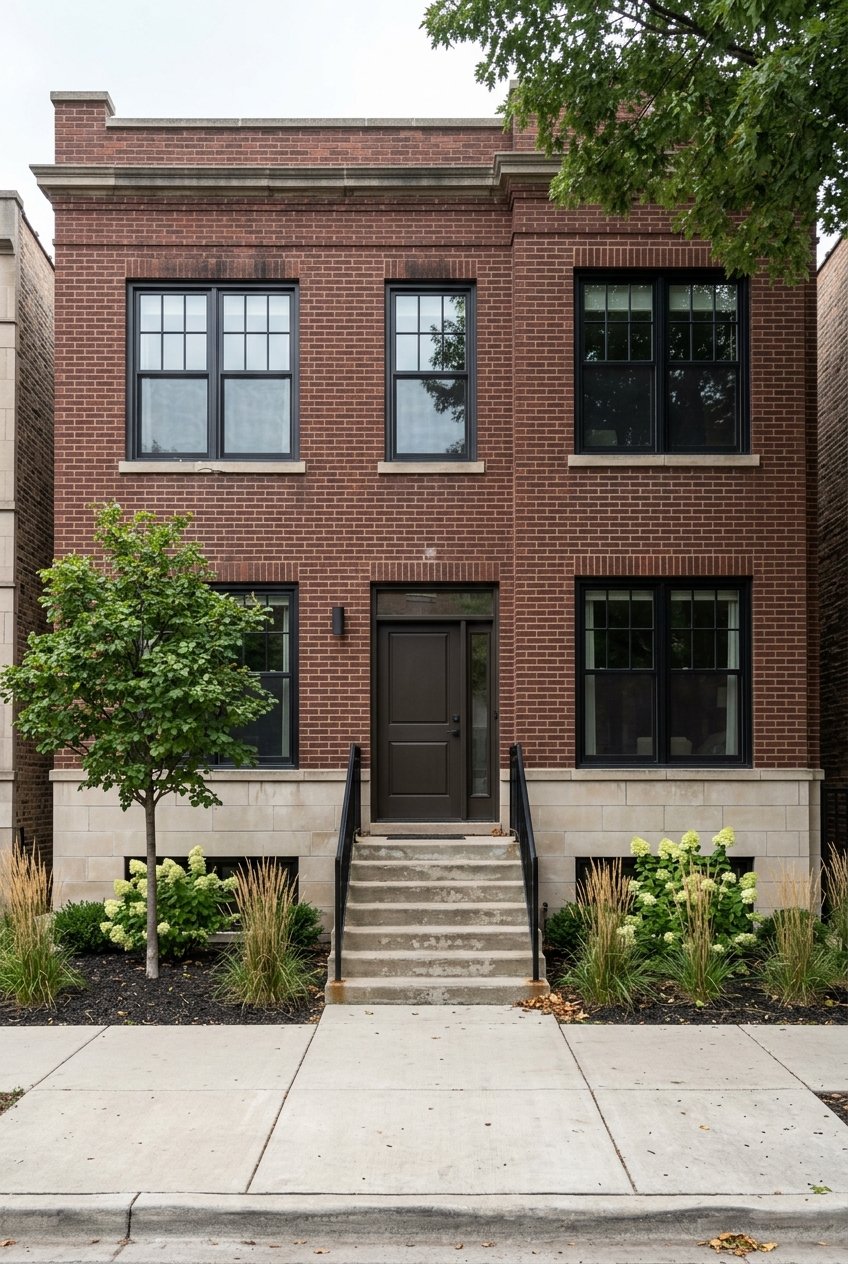
If you are eyeing a two-flat in Humboldt Park, you are probably trying to answer one big question: is this a smart value play or a money pit in disguise? That is a fair concern, especially in a neighborhood where vintage brick buildings are common and investor interest is real. The good news is that Humboldt Park offers a clear mix of opportunity and caution, and understanding both can help you buy with more confidence. Let’s dive in.
Why Humboldt Park Stands Out
Humboldt Park remains one of Chicago’s most two-flat-heavy neighborhoods. According to CMAP’s 2023 housing profile, 57.5% of the neighborhood’s housing units are in 2- to 4-unit buildings. That makes it more concentrated in this building type than Logan Square or West Town.
That matters because two-flats are a major part of Chicago’s small multifamily housing supply. They can give you a chance to offset your housing cost with rental income, or create a long-term hold with steady cash flow potential. In Humboldt Park, that opportunity is still tied to a large existing inventory rather than a small number of scattered buildings.
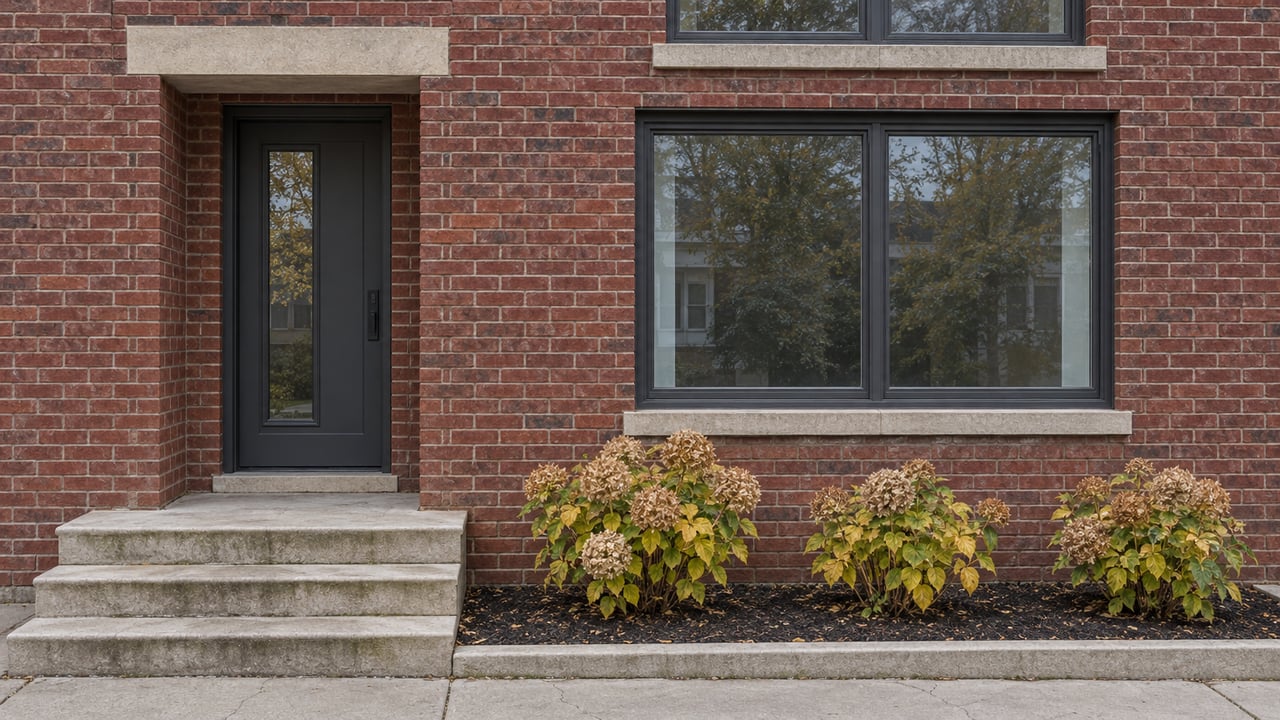
There is another important piece to the story. CMAP reports that 60.7% of Humboldt Park housing units were built before 1940, with a median year built of 1931. In practical terms, you are often buying a legacy building with solid bones, but also one that may come with age-related repair needs.
Humboldt Park Entry Prices Look More Accessible
For many buyers and small investors, the biggest draw is the entry point. As of April 2026, Realtor.com showed a median listing price of $395,000 in Humboldt Park. That is well below Logan Square at $699,949 and West Town at $674,900.
Rents are lower too, but not by the same margin. Realtor.com reported a median rent of $1,600 per month in Humboldt Park, compared with $2,350 in Logan Square and $2,700 in West Town. CMAP’s 2019-2023 ACS-based estimate also supports the same general pattern, with median gross rent at $1,328 in Humboldt Park versus $1,814 in Logan Square.
This creates a different kind of investment profile. You may be able to buy into Humboldt Park with less upfront capital, which can make the numbers more approachable. At the same time, you should not assume that lower purchase price automatically means easy rent growth or easy margins.
The Reward: Better Value for House Hackers
If you plan to live in one unit and rent the other, Humboldt Park can be especially appealing. Lower entry pricing may give you a more realistic path to owner-occupying a two-flat without stretching as far as you might in nearby neighborhoods. That can be a meaningful advantage if your goal is to have rental income help carry part of your monthly cost.
The neighborhood also offers a strong supply of the exact building type many buyers want. Because two- to four-unit buildings make up such a large share of the housing stock, you are not shopping in a tiny niche. You have a better chance of finding a layout, condition level, and price point that fits your plan.
There is also a broader preservation angle. The Urban Institute notes that 2- to 4-unit buildings account for more than 35% of Chicago’s rental housing supply, yet that stock has been shrinking because of demolition, foreclosure, and deconversion. In that context, owning and maintaining a functional two-flat can be both a personal investment and part of a housing type that remains important to the city.
The Risk: Older Buildings Can Get Expensive Fast
The biggest risk in Humboldt Park is not usually the concept of the two-flat itself. It is the condition of the building you buy. In a neighborhood where the median housing year is 1931, deferred maintenance can quickly turn an attractive purchase price into a much larger capital expense story.
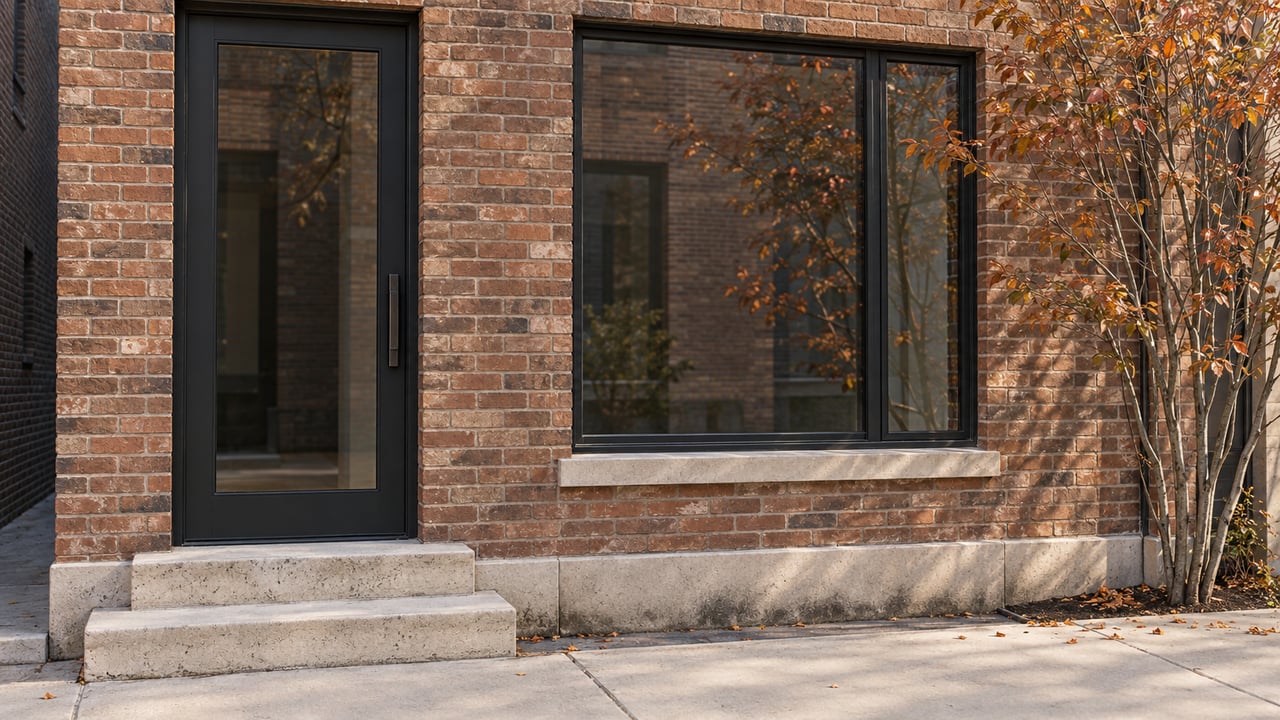
Older masonry buildings deserve careful due diligence. The National Park Service notes common warning signs such as stair-step cracking, cracks above openings, deteriorated mortar, loose bricks, damp walls, bulging or leaning walls, and rusting or deflecting lintels. Freeze-thaw cycles and trapped moisture can make those issues worse over time.
For you as a buyer, the takeaway is simple: water is often the hidden cost. If the roof, parapet, flashing, gutters, masonry joints, and lintels have been maintained, a vintage two-flat can be a durable long-term asset. If they have not, repair costs can erase the apparent discount of buying an older building.
What to Check Before You Buy
A careful inspection process matters more here than in many newer properties. Pay close attention to:
- Brick and mortar condition
- Visible cracks around doors and windows
- Lintel rust or movement above openings
- Signs of moisture inside garden units or basements
- Roof age and drainage performance
- Parapet wall condition
- Evidence of past patchwork repairs
The National Park Service also notes that repointing older brick requires compatible mortar. Using overly hard Portland-cement mortar on older masonry can trap moisture and damage the brick itself. If you see fresh masonry work, it is worth asking how it was done and whether it was appropriate for the building.
Rent Growth Requires a Realistic Approach
Humboldt Park does have tenant demand, but you should underwrite conservatively. CMAP reports that 35.3% of renter households in Humboldt Park are severely cost-burdened. That is much higher than Logan Square at 14.6%.
What does that mean for you? It suggests there may be less room to push rents aggressively, even if you improve the property. A smart acquisition in Humboldt Park is often more about buying well, managing expenses carefully, and making targeted updates than relying on rapid rent growth to fix a thin deal.
This is one reason the neighborhood tends to appeal to value-minded buyers. The upside can be strong if you enter at the right basis and manage the building well. But the numbers need to work with realistic rent assumptions, not best-case projections.
Investor Activity Confirms Ongoing Demand
Humboldt Park is not flying under the radar. CMAP’s 2022 data show that 21.9% of residential sales in the neighborhood were purchased by investor buyers. That is higher than Chicago overall at 15.8%, and higher than Logan Square at 13.6%.
That figure does not mean every listing will become a bidding war. It does show, however, that small multifamily property remains a recognized opportunity in this part of the city. If you find a clean, well-maintained two-flat at a sensible price, you should expect that other buyers may see the same value.
For owner-occupants, this creates both pressure and opportunity. Competition can be real, but the neighborhood still offers a lower pricing floor than some nearby areas. That can make it one of the more practical entry points for buyers who want to build equity while holding an income-producing property.
Deconversion Pressure Changes the Exit Strategy
One of the most important long-term factors is deconversion. The Institute for Housing Studies at DePaul found that Chicago lost more than 4,800 two- to four-unit buildings from 2013 to 2019, equal to 11,775 housing units. Areas near the 606, including parts of Humboldt Park, have been affected by that pressure.
In some neighborhoods, the classic investor play was to buy a two-flat and eventually convert it to a single-family home. Today, that path may be less straightforward. Chicago’s 606-Pilsen Demolition Surcharge Ordinance, passed in March 2021, requires a surcharge for demolition permits in parts of the 606 and Pilsen area, and later preservation proposals have included parts of Humboldt Park.
For you, the practical takeaway is that future value may depend less on a teardown or deconversion exit and more on preserving and improving the building as a two-flat. That can support long-term scarcity, but it also means you should buy with a hold strategy that works even if a single-family conversion is not your easiest exit.
How Humboldt Park Compares Nearby
If you are deciding between Humboldt Park, Logan Square, and West Town, the tradeoffs are fairly clear.
| Neighborhood | Median Listing Price | Median Rent | Two- to Four-Unit Share |
|---|---|---|---|
| Humboldt Park | $395,000 | $1,600/month | 57.5% |
| Logan Square | $699,949 | $2,350/month | 43.7% |
| West Town | $674,900 | $2,700/month | 43.6% |
Humboldt Park offers the lowest entry price and the deepest supply of two- to four-unit stock in this group. Logan Square and West Town sit higher on both pricing and rent, but they also come with a steeper basis and stronger deconversion history.
That makes Humboldt Park a different kind of bet. If you want the lowest barrier to entry and are comfortable managing vintage-building risk, it may offer the most compelling risk-reward story. If your priority is a neighborhood already further along the appreciation curve, nearby alternatives may look stronger, but they also require more capital upfront.
A Smart Buy Starts With Building-Level Discipline
In Humboldt Park, the block matters, the price matters, and the building condition matters even more. A clean, functional two-flat with maintained masonry, sound water management, and realistic rents can be a strong long-term asset. A similar-looking property with hidden envelope issues can become expensive very quickly.
That is why your due diligence needs to go beyond the listing photos. You want to understand not just what the building looks like today, but what it may need over the next five to ten years. In this neighborhood, disciplined inspection and realistic underwriting are what separate a solid buy from an avoidable problem.
If you are considering a two-flat in Humboldt Park and want a clear read on pricing, condition risk, and how a property fits the local market, Jason O'Beirne can help you evaluate the opportunity with a practical, neighborhood-specific lens.
FAQs
Is Humboldt Park a good place to buy a two-flat?
- Humboldt Park can be attractive if you want lower entry pricing and strong two-flat inventory, but you should budget carefully for repairs and underwrite rents conservatively.
Are Humboldt Park two-flats usually older buildings?
- Yes. CMAP reports that 60.7% of housing units in Humboldt Park were built before 1940, so many two-flats come with vintage-building maintenance considerations.
What is the biggest risk when buying a two-flat in Humboldt Park?
- The biggest risk is often deferred maintenance, especially masonry and water-management issues that can lead to costly repairs.
How do Humboldt Park two-flats compare with Logan Square and West Town?
- Humboldt Park generally offers lower purchase prices and lower rents, while Logan Square and West Town are more expensive and have seen stronger deconversion pressure.
Can you still count on converting a Humboldt Park two-flat to a single-family home later?
- You should not assume that. Preservation-oriented policies and demolition surcharge rules in parts of the broader area can make that exit strategy less predictable.