Shopping for a Jefferson Park bungalow sounds simple until you start walking through them. One home feels beautifully intact, another has a finished attic that changes the whole value equation, and a third looks great at first glance but hints at costly repairs. If you want to buy smart, you need to look past charm and understand how these homes work. Let’s dive in.
What makes a classic bungalow
In Jefferson Park, the “classic bungalow” usually means the Chicago bungalow form: a 1½-story brick house over a full basement with a low-pitched hipped roof, wide overhangs, a front porch, generous windows, and Arts & Crafts influence. These homes were built from fairly standard plans, which is part of why they remain so recognizable and practical today.
A typical layout separates public and private space. Historically, you often see living room, dining room, and kitchen on one side, with bedrooms on the other, plus attic and basement areas intended to be finished later. That flexible design is one reason Chicago bungalows continue to appeal to buyers who want character with room to grow.
Chicago still has a deep bungalow inventory citywide, with more than 80,000 bungalows and roughly one-third of the city’s single-family housing stock in bungalow form. That scale matters because it supports long-term buyer familiarity with the product type and helps explain why well-bought bungalows tend to stay liquid.
Why Jefferson Park shopping is block specific
Jefferson Park is not a one-price, one-product neighborhood. The area around the Jefferson Park Blue Line station connects CTA buses, Pace, and Metra UP-NW service, so convenience can shift meaningfully from one pocket to another. For some buyers, easy access to that transit hub adds real day-to-day value.
That does not mean transit alone sets price. In practice, value usually comes from a mix of micro-location, lot size, condition, finished space, and whether past updates actually improved the house. In Jefferson Park, a few blocks can make a noticeable difference in how a bungalow lives and how it is priced.
Start with original bungalow integrity
Before you get excited about quartz counters or a staged second floor, check whether the house still functions like a solid bungalow. The best first filter is original integrity. If the structure, masonry, and drainage are in good shape, you may be looking at a house with a stronger long-term ownership story.
If those basics are weak, the cosmetic finish level matters less. A polished kitchen does not cancel out water problems, brick failure, or a struggling rear porch. On bungalow showings, start with the house itself before you judge the design package.
Check water management first
Water is the number one enemy of building materials, and it should be your first showing-day test. Look closely at roof edges, gutters, downspouts, and where water appears to move away from the home. If drainage is poor, problems can spread from the roof to the basement to the masonry.
Inside and outside, watch for staining near basement walls and rear walls. Leaks, overflow, or poor runoff can contribute to basement moisture, foundation issues, and masonry deterioration. In a classic Jefferson Park bungalow, water management is not a side issue. It is a core value driver.
Look closely at brick and mortar
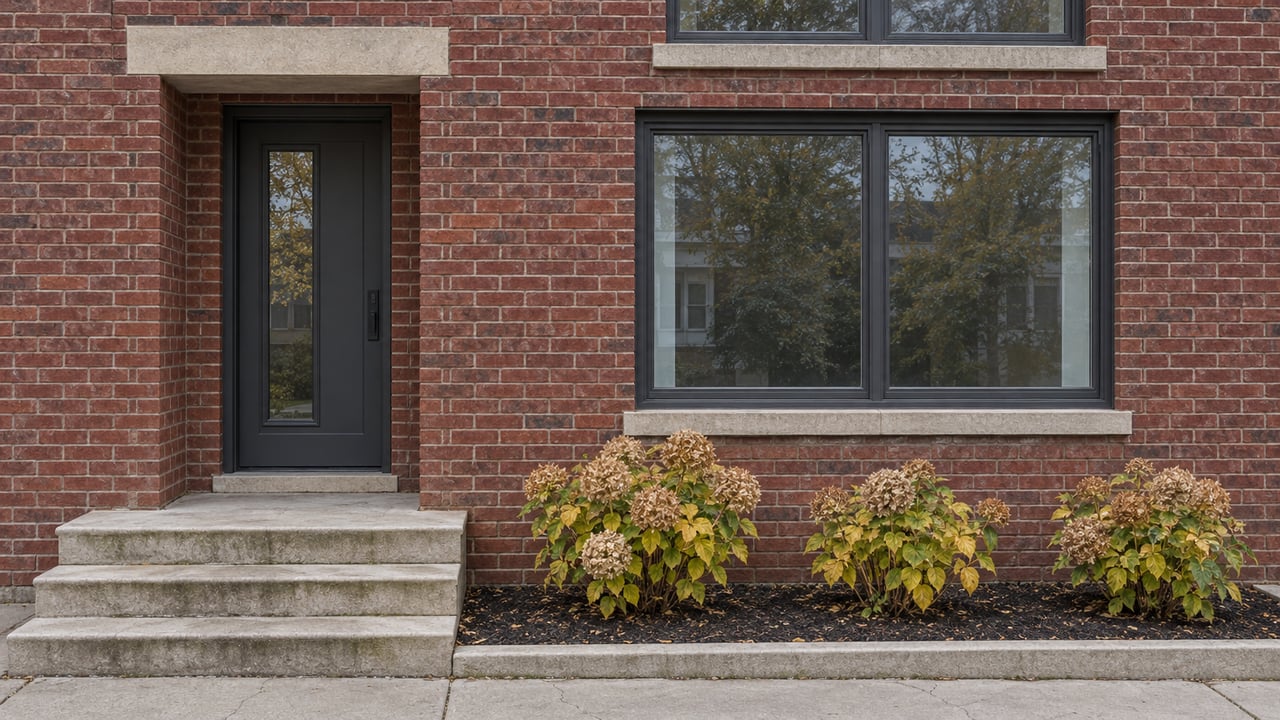
Masonry is one of the biggest condition checkpoints in a brick bungalow. White powder on brick, called efflorescence, can signal moisture movement through the wall. Spalling brick, deteriorated mortar, and mismatched patchwork are also worth noting.
Pay special attention around windows. Zigzag cracks near window corners can point to lintel issues, often caused by rusting steel above the opening. You do not need to diagnose everything on a tour, but you should know what deserves a closer inspection.
Inspect the porch and rear additions
Rear porches and enclosed porch additions often tell you a lot about how the house has aged. Older porches should have a mechanically attached post-to-foundation connection, and unsupported posts or undersized piers are red flags. If a rear porch sags or feels improvised, that can indicate structural work ahead.
The same goes for rear additions. Some are well integrated and useful. Others feel awkward, underbuilt, or disconnected from the original house. In a bungalow, the back of the property often reveals whether updates were thoughtful or simply added over time.
Evaluate systems with old-house logic
Many bungalow-era homes still reflect older Chicago infrastructure. You may see boiler and radiator heat, aging plumbing, and electrical service that made sense decades ago but feels tight for modern use. Common concerns include corrosion, poor pipe pitch, slow drains, sewer gas, and frozen pipes in unconditioned areas.
Electrical service also matters more than many buyers realize. Some older homes still have 100-amp service or less, which can become limiting if you want air conditioning, more finished space, or additional fixtures. If you are shopping with future projects in mind, systems capacity should be part of your early analysis.
Keep health and safety in mind
Homes built before 1978 are more likely to contain lead-based paint. Deteriorating paint on windows, doors, stairs, railings, and porches deserves careful attention. If you are considering renovation, this matters even more because disturbed materials can create additional risk.
Asbestos may also be present in materials such as floor tile, ceiling tile, or pipe wrap. In addition, many older Chicago homes still have lead service lines, which may be too small for added plumbing fixtures and can raise water quality concerns. If a bungalow needs work, factor testing and professional review into your budget and timeline.
Judge expansion potential realistically
One of the biggest reasons buyers love Chicago bungalows is the sense that there is more house waiting to happen. That instinct is often right. Many were built with unfinished attics and basements designed for later expansion.
Still, there is a difference between possible and practical. When you shop Jefferson Park bungalows, try to sort homes into three buckets:
- Homes best enjoyed largely in their current layout
- Homes that can support a dormer-backed attic buildout
- Homes that may justify a larger rear addition or full second-story project
Attic conversions need more than headroom
A usable attic is not just about ceiling height or a stair already being in place. In many bungalows, the existing ceiling joists are not adequate to serve as a finished floor and usually need reinforcement. That structural reality is one reason attic projects can cost more than buyers first expect.
You should also ask what else the expansion triggers. A new upper level may require larger HVAC capacity, plumbing enlargement for an added bath, and electrical service upgrades. If the roof is already nearing replacement, that can be a practical moment to think through a dormer plan.
Good additions respect bungalow proportions
Not every expansion improves value equally. Design guidance for Chicago bungalows stresses that dormers should usually be set back from the front edge of the house, roof pitch and height should stay consistent with the original home, and windows, trim, and eaves should feel aligned with the original structure.
That matters because buyers tend to respond better to houses that still read like bungalows. A thoughtful expansion can add function while preserving character. An overbuilt pop-top can narrow appeal, even if it adds square footage.
Use pricing as a three-part test
In Jefferson Park, pricing works best when you view it through three lenses: original bungalow integrity, expansion quality, and micro-location. Neighborhood-wide numbers are useful, but they do not replace property-level judgment.
As of March 2026, Redfin reported a Jefferson Park median sale price of $494,000, about 54 days on market, and a 98.8% sale-to-list ratio. Zillow’s March 31, 2026 snapshot showed a typical home value of $398,598, a median list price of $438,150, 36 homes for sale, and a median time to pending of 7 days. Those figures differ because they measure different things, but together they reinforce that Jefferson Park remains an active, closely watched market.
Comparable sales can vary widely
Recent nearby closings show how broad the spread can be. Public sales on Redfin’s Jefferson Park page ranged from $420,000 for a 4-bed, 2-bath home on N Liano Ave to $685,000 for a 5-bed, 3.5-bath home on N Mobile Ave. Other recent sales on the same page included $470,000, $475,000, $515,000, and $575,000.
That spread is a good reminder that “Jefferson Park bungalow” is not a single pricing category. Finished attic space, lot size, renovation quality, and a stronger block position can all move value in a meaningful way. When you tour, compare the price not just to the neighborhood average, but to the actual quality and usefulness of the house in front of you.
Verify visible improvements
If a bungalow has a finished attic, rear addition, or major system changes, verify the permit history instead of assuming the work was done correctly. City of Chicago records note that permit and inspection records are informational only. A permit being issued does not prove the work was completed properly, and the absence of a violation does not prove compliance.
That makes documentation part of the shopping process. In a neighborhood with many altered older homes, permit history helps you separate true value from value that only looks good in photos.
A smarter way to shop Jefferson Park bungalows
The best Jefferson Park bungalow buyers stay disciplined. They appreciate original details, but they also know how to test drainage, masonry, porch structure, service capacity, and renovation logic before falling in love with finishes. That approach helps you protect both your budget and your future flexibility.
If you are comparing several homes at once, keep coming back to the same core questions:
- Is the original house solid?
- Is any added space truly useful and well executed?
- Does the price reflect the block, condition, and documented improvements?
When you shop this way, you are not just buying charm. You are buying a product type with a clear structure, a clear renovation path, and a value story that can be read carefully block by block. If you want help evaluating Jefferson Park bungalows with a more methodical eye, Jason O'Beirne can help you sort the real opportunities from the expensive distractions.
FAQs
What defines a classic Jefferson Park bungalow?
- A classic Jefferson Park bungalow is usually a 1½-story brick Chicago bungalow with a full basement, low-pitched hipped roof, front porch, generous windows, and an attic or basement that may be expanded later.
What should you check first when touring a Jefferson Park bungalow?
- Start with water management by looking at gutters, downspouts, roof edges, and signs of staining or moisture near the basement and rear walls.
What masonry issues matter in a Jefferson Park bungalow?
- Key masonry warning signs include efflorescence, spalling brick, deteriorated mortar, and zigzag cracking near windows that may suggest lintel problems.
Can you finish the attic in a Jefferson Park bungalow?
- Often yes, but many attic conversions need structural reinforcement along with possible HVAC, plumbing, and electrical upgrades.
How should you think about Jefferson Park bungalow pricing?
- Use neighborhood data as a starting point, then adjust for micro-location, finished space, condition, renovation quality, and whether visible improvements are documented.
Should you verify permits on a Jefferson Park bungalow?
- Yes, especially if the home has a finished attic, rear addition, or major system changes, since visible work should be checked against City of Chicago permit history.