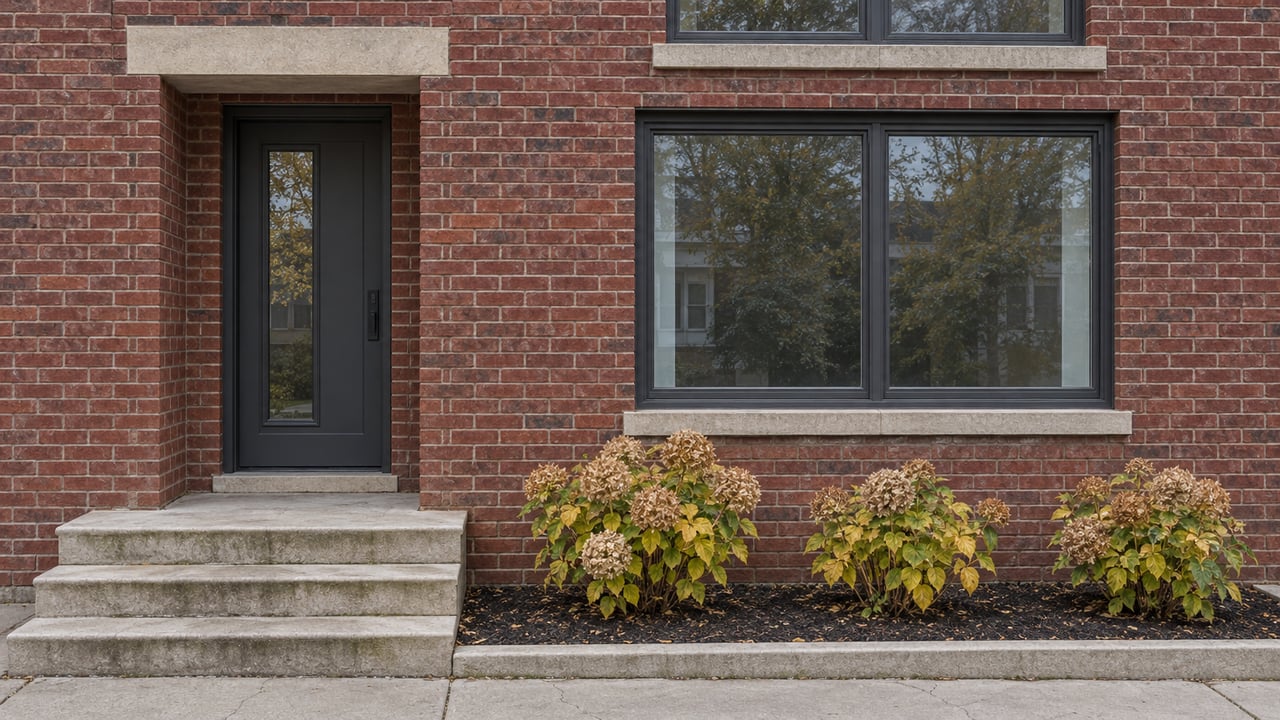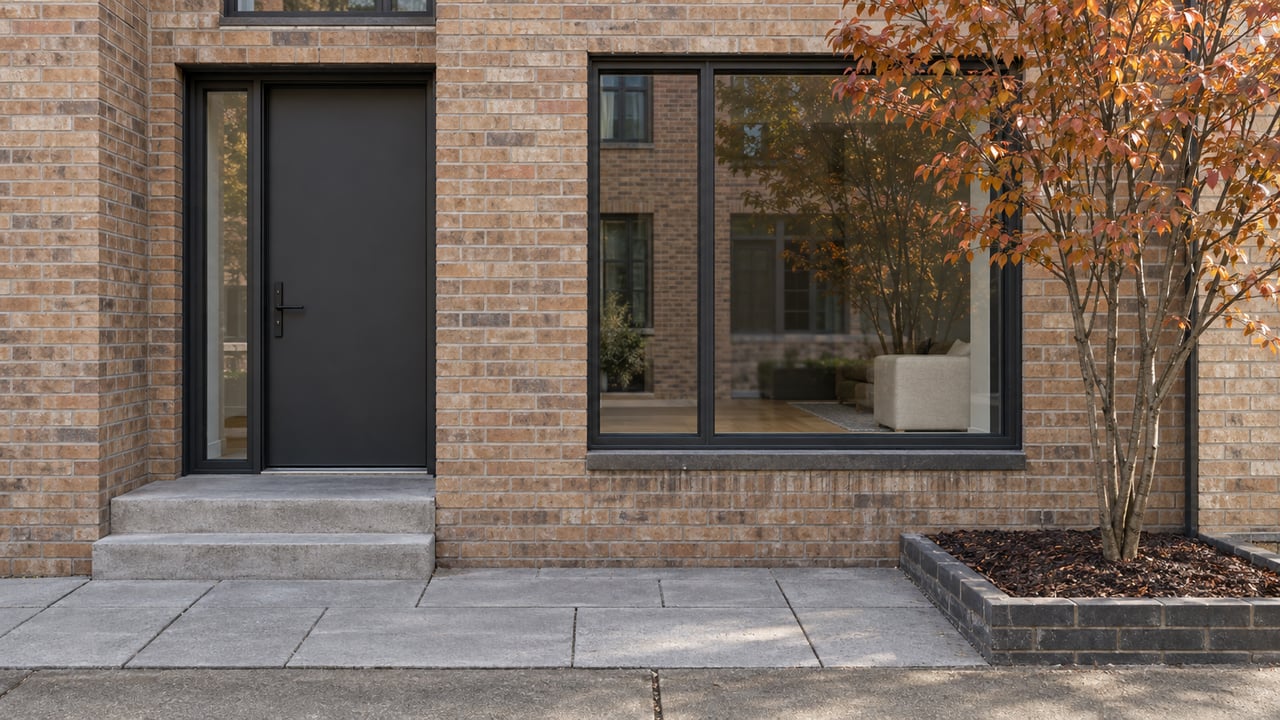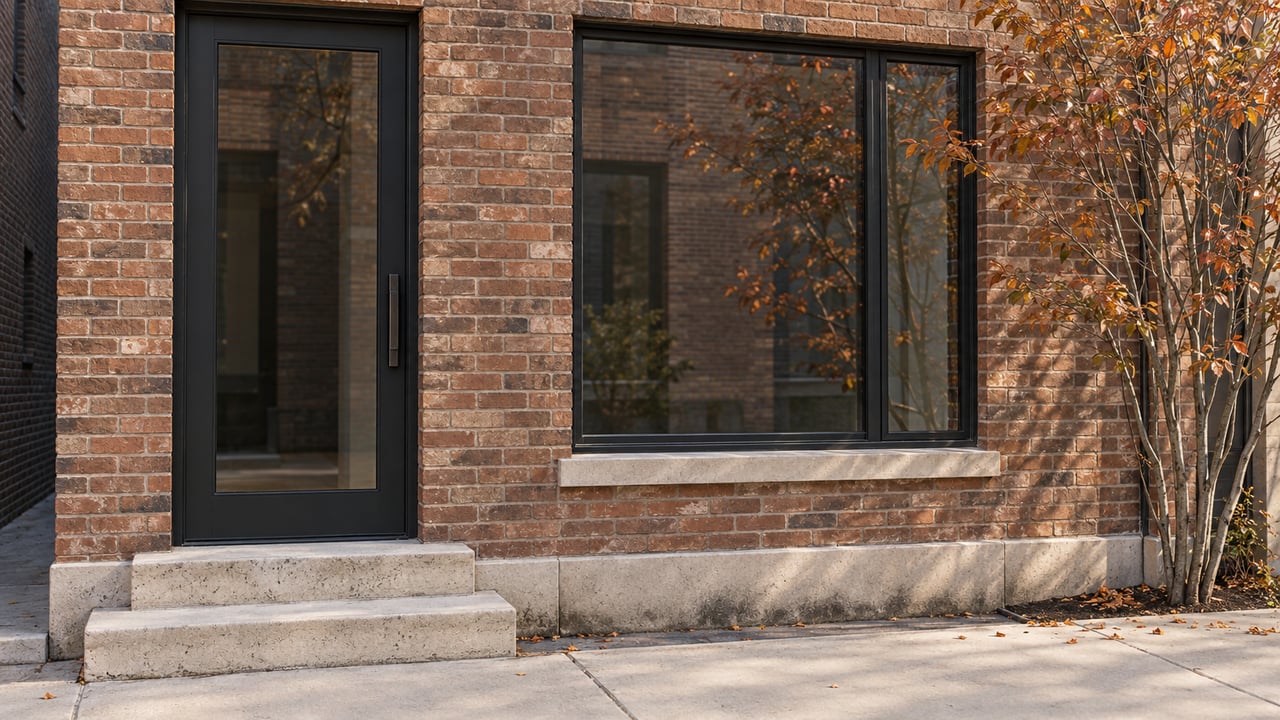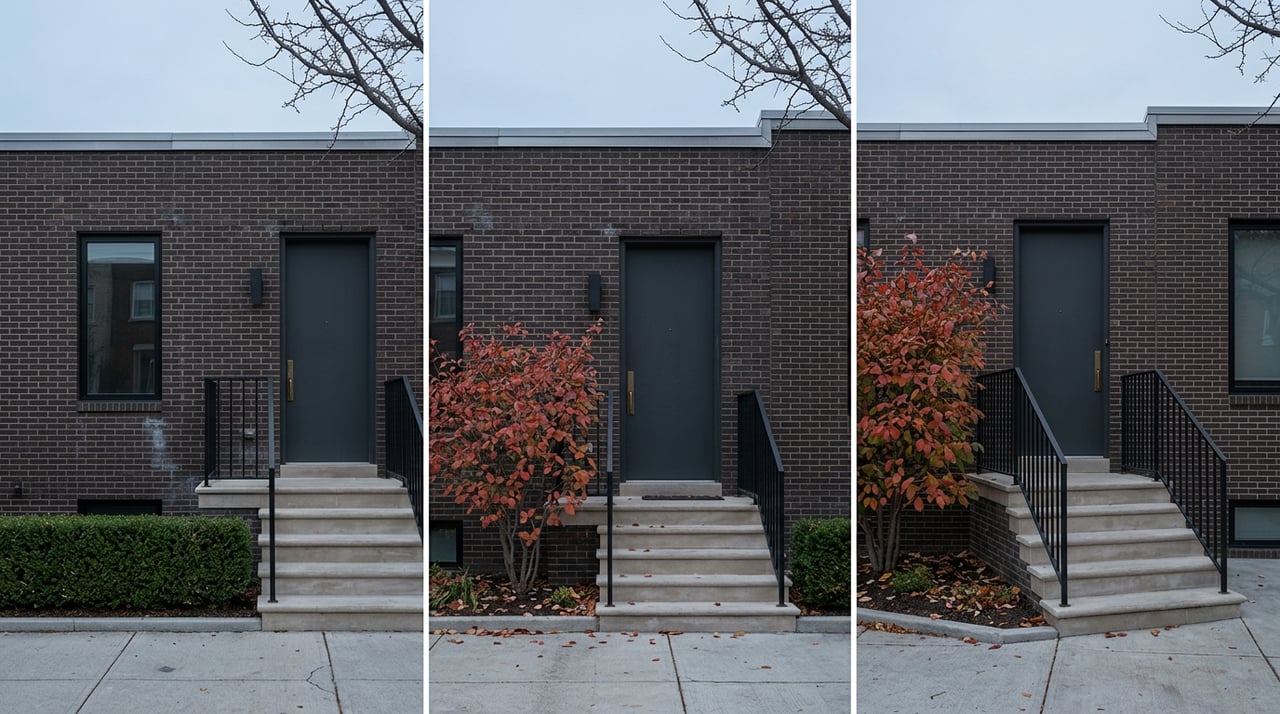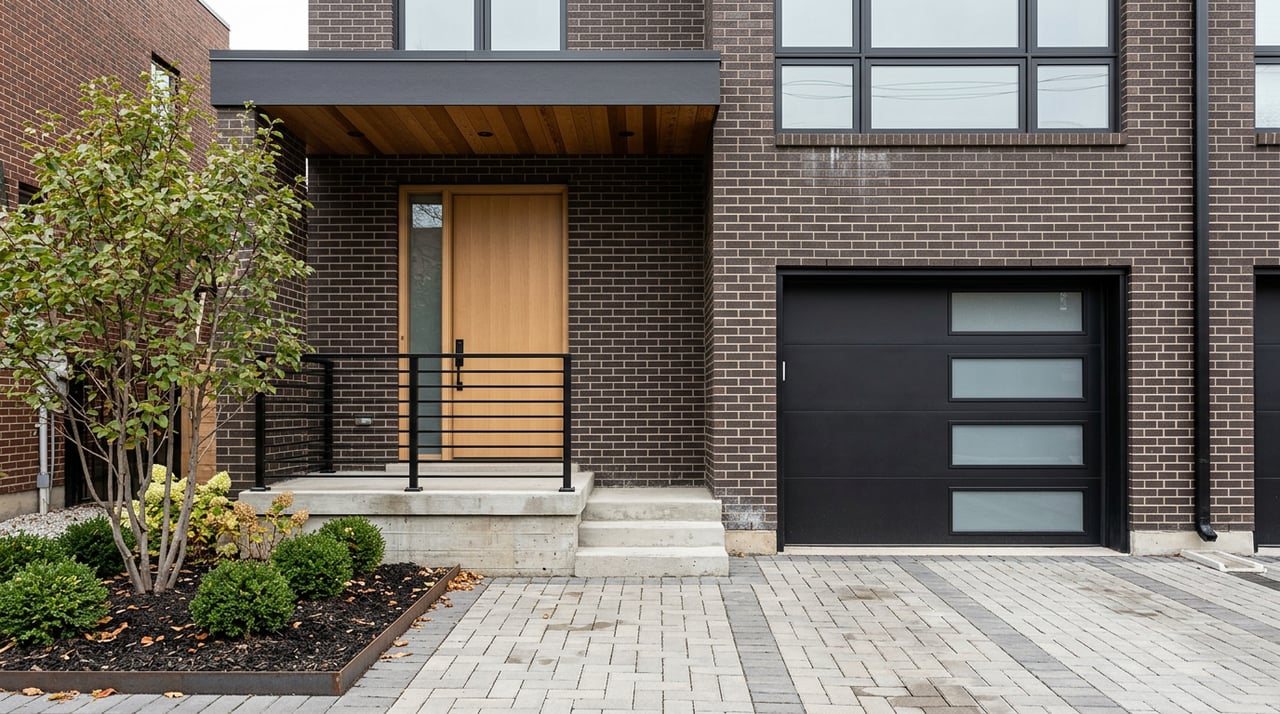
Dreaming of a modern townhome with a rooftop deck near the Blue Line and the boulevard? You’re not alone. Logan Square continues to draw design‑minded buyers who want new construction, smart layouts, and private parking in a lively, walkable Chicago neighborhood. In this guide, you’ll learn what’s actually delivered in local new builds, how to read floor plans, which permits and documents to check, and how new townhomes compare with classic two‑flats and greystones. Let’s dive in.
Why Logan Square new builds now
Logan Square remains active for small‑scale infill and boutique townhome projects, with ongoing streetscape work and approvals that keep supply flowing. Recent coverage of the plaza redesign and nearby construction highlights how the neighborhood is evolving with new public spaces and residential builds that fit the area’s scale. You can see that context in local reporting on the plaza revamp and new development momentum around the Logan Square plaza.
Industry trackers show neighborhoods like Logan Square contributing to multifamily deliveries, often through smaller sites rather than high‑rise towers. For a big‑picture view of how these infill projects add up across the North Side, review the latest GREA multifamily delivery report. Local community coverage also captures approvals for mid‑size apartment buildings, a good signal that infill remains part of the neighborhood’s near‑term pipeline. One example is the plan to convert a longtime seasonal lot into a 38‑unit building, documented by Block Club Chicago.
What you’ll find in listings
You’ll typically see three main product types in Logan Square. Each offers different tradeoffs for space, finishes, and maintenance.
A) Modern 2–4 story townhomes
Most new townhomes feature an open‑plan main level with kitchen, living, and dining together, then bedrooms stacked above. Many include a lower level or finished basement for a guest suite or office, plus one or more outdoor spaces like a balcony, yard, or rooftop deck. A private attached garage is commonly included, sometimes with a garage‑roof deck.
- Pros: move‑in ready, modern systems, private parking, lower short‑term maintenance, consistent finishes.
- Cons: narrower footprints can compress storage; finish packages may feel standardized; vertical living means lots of stairs.
5‑minute checklist:
- Layout: Confirm bedroom sizes and closet depths on the floor plan. Ask for a dimensioned plan if sizes are missing.
- Outdoor space: If there’s a roof deck, verify whether it’s private and how it’s accessed. Request evidence of a permitted stair enclosure where applicable, which you often see referenced in project filings covered by local development news.
- Parking: Check whether the garage is tandem and measure interior width and length if you have a larger vehicle.
- Mechanical: Locate the HVAC, water heater, and electrical panel. Ensure they’re accessible for service.
- Basement: Ask about waterproofing, sump pump, and whether any below‑grade spaces are approved as habitable on the CO.
B) Low‑rise elevator condos and new walkups
Logan Square also delivers 3–5 story buildings with a mix of condos or apartments. These often include elevator access and interior garages or structured parking. If you prefer less exterior maintenance and easier access, these buildings can be a strong fit. Local permit and completion coverage shows multiple examples of this low‑rise scale being built in the neighborhood, as reported by Chicago YIMBY.
- Pros: elevator convenience, simpler exterior maintenance for owners, contemporary finishes, and amenities like indoor parking.
- Cons: monthly assessments; outdoor space may be limited or shared; less townhouse‑style privacy.
5‑minute checklist:
- HOA: Confirm what assessments cover (snow removal, exterior, garage, insurance) and review HOA minutes.
- Parking: Verify deeded vs. assigned spaces, and confirm clearance/turning radius for SUVs.
- Sound: Ask about wall and floor assembly details for sound insulation between units.
- Roof/decks: Clarify private vs. common areas and maintenance responsibilities.
- Permits/CO: Request the final Certificate of Occupancy and as‑built permit set.
C) Historic two‑flats and greystones
Two‑flats are classic stacked apartments, often with separate utilities and a raised basement. Greystones are distinguished by masonry façades and limestone details. These homes offer character, volume, and in the case of two‑flats, potential rental income if you occupy one unit and lease the other. They may require more hands‑on stewardship, including masonry and roof care, guided by resources like the Historic Chicago Greystone Initiative’s design guidelines.
- Pros: historic character, tall ceilings, flexible layouts, potential income from a second unit.
- Cons: older mechanicals, masonry/façade maintenance, waterproofing needs, and a wider range of permit histories.
5‑minute checklist:
- Structure: Inspect masonry, parapets, lintels, and flashing. Ask about recent tuckpointing or roof work.
- Systems: Confirm age and location of HVAC, water heaters, and electrical panels.
- Basement: Evaluate moisture control and any finished areas. Confirm bedroom egress and permits.
- Rental: If you plan to rent a unit, review local requirements and existing lease terms.
- Records: Pull city building records and ask for documentation of permitted work and final inspections.
Layouts, sizes, and circulation
A common new‑townhome stack is lower level or basement, open‑plan main level, bedroom floor above, and a top level with a primary suite or roof access. Bedroom counts usually range from 2 to 4. For 3‑story townhomes, you’ll often see living areas around 1,400 to 2,200 square feet.
Reading plans is essential. Chicago’s historic lot pattern, most commonly around 25 feet wide by 125 feet deep, drives the narrow‑and‑tall footprints you’ll see. That geometry influences stair placement, light wells, and storage. If a plan omits stair widths or closet depths, you may be trading usable space without realizing it. For more on traditional Chicago lot proportions and building form, review the Greystone design guidelines.
Pro tip: main‑level “flex rooms” are sometimes dens without full closets. Check the dimensions and door swings to confirm how the space lives day to day.
Finishes and systems to expect
Most new builds in Logan Square market quartz counters, modern cabinetry, stainless appliance packages, and hardwood on main levels. Primary baths often feature large‑format tile, frameless glass showers, and, in some listings, heated floors. Verify which rooms include radiant heat versus where it is an upgrade.
On mechanicals, you’ll typically find forced‑air furnaces with central A/C, updated electrical service, and modern or tankless water heaters. Some developments, including local affordable and community‑focused projects, are adopting all‑electric or heat‑pump systems as part of broader decarbonization goals. For a look at electrification strategies appearing in neighborhood projects, see this Chicago Sun‑Times coverage of a Logan Square redevelopment.
Finally, new construction should come with a clear builder warranty and punchlist process. Before you commit, ask for the written warranty terms, the as‑built permit set, and the final Certificate of Occupancy. City program and permitting resources are available through the Department of Buildings; you can start with the City’s e‑form guidance and program portal.
Parking and outdoor space details
You’ll see a few recurring parking setups:
- Private attached garage, single or tandem, often included in the price.
- Detached garage or parking pad off the alley.
- Structured or interior garage spaces in low‑rise elevator buildings.
Garage‑roof decks are popular and add usable outdoor space, but they introduce waterproofing and structural questions. Ask how the deck is flashed and drained, and whether the stair enclosure serving a rooftop space is permitted. These details often appear in permit filings and local construction coverage, like YIMBY’s neighborhood project reports.
Alley access is standard across many blocks. Verify whether your parking sits on the same lot, whether any easements apply, and how gates are handled. If your vehicle is larger, confirm garage interior dimensions and alley turning radius before you finalize your offer.
Permits, COs, and HOA documents to verify
Strong due diligence protects your purchase. Use this list as a template:
- Certificate of Occupancy: Request the final CO to confirm the unit and all finished areas were approved.
- Permit history: Ask for the as‑built permit set and verification that all permits were closed. “Work done without permits” is a red flag that can appear in city inspection records; see an example of inspection detail language.
- Roof and decks: Confirm that rooftop stair enclosures, rear decks, or garage‑roof decks were permitted and inspected.
- HOA materials (if applicable): Obtain the declaration, bylaws, recent HOA minutes, reserve study, budget, and any special‑assessment history. Confirm what the monthly assessment covers.
- City resources: Use official Department of Buildings tools to cross‑check status and guidance. A useful starting point is the City’s e‑form and program portal.
Quick decision guide
Use these prompts to narrow fit by product type:
- Choose a modern townhome if you want private entrances, multi‑level living, a garage, and multiple outdoor spaces with lower short‑term maintenance.
- Choose a low‑rise elevator building if you value single‑level access, smaller maintenance responsibility, and interior garage parking with an HOA handling most exterior items.
- Choose a two‑flat or greystone if you want historic character, tall rooms, and the option to create or maintain a rental unit, and you’re comfortable planning for masonry and system upgrades.
What’s next
If a listing checks most of your boxes, request the floor plans, dimensioned if possible. Then confirm parking details and outdoor‑space rights, ask for the permit set and CO, and review the warranty or HOA documents. When you are confident in the paper trail, your tours will focus on livability instead of surprises.
Ready to compare specific Logan Square options or want eyes on a floor plan? Schedule a consultation with Jason O’Beirne to talk through layout, finishes, pricing, and how to structure a winning offer.
FAQs
What is the typical size of a Logan Square new townhome?
- Most 3‑story townhomes advertise 2 to 4 bedrooms with living areas commonly around 1,400 to 2,200 square feet, with roof or balcony space on top of that.
How is parking usually handled in new builds?
- Expect private attached garages in townhomes and interior or structured parking in low‑rise elevator buildings; confirm whether spaces are tandem, deeded, or assigned and verify dimensions.
What documents should I request before making an offer on a new build?
- Ask for the final Certificate of Occupancy, the as‑built permit set, written builder warranty, and, if applicable, HOA declaration, budget, reserve study, minutes, and special‑assessment history.
Are rooftop decks always private and permitted?
- Not always; confirm whether the deck is deeded to your unit, how access works, and whether the stair enclosure and deck were permitted and closed out, which is often reflected in local permit coverage.
What tradeoffs should I weigh between a new townhome and a historic greystone?
- New townhomes offer modern systems, private parking, and lower near‑term maintenance, while greystones provide character and potential rental flexibility but call for ongoing masonry and system care; the Greystone design guidelines outline typical stewardship.
What should I know about energy systems and electrification in Logan Square projects?
- Many new builds feature forced‑air with central A/C, though some developments are moving toward all‑electric and heat‑pump solutions; see local reporting on electrification in Logan Square here.