Trying to choose between a classic bungalow and a newer home in Lincoln Square? You are not alone. This neighborhood gives you a real mix of Chicago housing history and modern infill development, which can make the decision feel more personal and more practical at the same time. If you are weighing charm against convenience, this guide will help you compare the tradeoffs, understand what inventory is actually available, and decide which path fits your budget, timeline, and tolerance for projects. Let’s dive in.
Lincoln Square Housing Basics
Lincoln Square has an older housing base, and that matters when you start your search. According to CMAP’s Lincoln Square snapshot, 48.4% of homes were built before 1940 and the median year built is 1942. In other words, vintage housing is not the exception here. It is the norm.
The neighborhood’s housing mix also helps explain why your options may feel varied. CMAP reports that just 14.8% of homes are detached single-family houses, while a large share of the area consists of 2-unit, 3- to 4-unit, and 5+ unit buildings. That means your search may include true bungalows, older two-flats, vintage condo buildings, and a smaller pool of newer condos, townhomes, or infill single-family homes.
Local context matters too. The Institute for Housing Studies notes that Lincoln Square is Chicago’s official Community Area 4 and includes Ravenswood Gardens, Bowmanville, and Budlong Woods. It also notes that Lincoln Square and Ravenswood are not interchangeable, which is useful to keep in mind if you are comparing listings across nearby pockets.
Why Bungalows Still Appeal
If you are drawn to older homes, Lincoln Square gives you plenty to look at. Chicago bungalows remain one of the city’s most recognized housing styles, and the Chicago Architecture Center describes them as a smart fit for narrow city lots, with practical features that felt modern for their time.
A typical Chicago bungalow is brick, one-and-one-half stories, and often includes a low-pitched hipped roof, wide overhangs, a porch, and details like dormers or leaded glass. That design language is part of the appeal. You are not just buying square footage. You are buying a home with visible character and a strong sense of place.
There is also a functional side to that charm. The Chicago Architecture Center notes that bungalows were built with central heating, electric light, and plumbing, and their attics and basements often create room for expansion or finishing over time. If you want flexible space and can picture improving a home in stages, that can be a real advantage.
What Vintage Homes May Need
Character usually comes with responsibility. Older homes often ask more of you in the first few years, especially if prior owners deferred maintenance or updated cosmetic finishes without addressing core systems.
The Chicago Bungalow Association’s maintenance guidance points to several recurring priorities in vintage homes: roofs and gutters, masonry, windows, heating, plumbing, and energy-saving improvements. Its window guidance also notes that many original bungalow windows are close to a century old, which means repair or matched replacement may come up sooner than you expect.
That does not mean every bungalow is a major project. It does mean you should budget beyond the purchase price. In Lincoln Square, an older home often makes the most sense when you are comfortable planning for repairs, upgrades, or phased improvements.
Which Systems To Inspect First
If you are seriously considering a bungalow or vintage flat, your first inspections should focus on the home’s envelope and mechanical systems. Cosmetic choices are easier to change. Structural or system issues are where timelines and costs can shift quickly.
Start with these areas:
- Roof and gutters
- Masonry and exterior condition
- Windows and air sealing
- Heating and cooling equipment
- Electrical system
- Plumbing lines and fixtures
- Basement moisture or drainage concerns
The Chicago Bungalow Association’s system-upgrade guidance recommends assessing the longevity and efficiency of existing systems before expanding living space. It also notes that mechanical systems older than 10 years may be worth upgrading, especially if you are already planning insulation, electrical, or plumbing work.
That is especially relevant if you are thinking, “We can finish the attic later” or “We will renovate the basement after closing.” Before you add living space, you want to know whether the systems supporting that space are ready for it.
What Newer Construction Offers
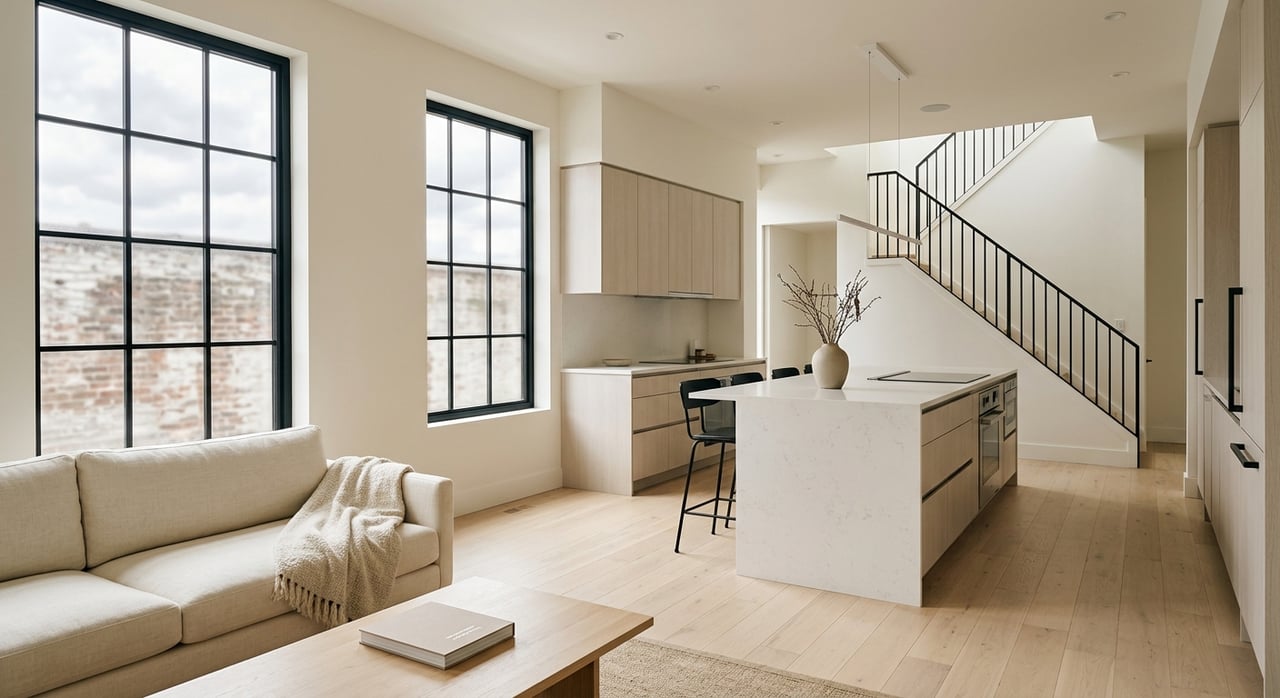
If your priority is lower-maintenance living, newer construction can be appealing. In Lincoln Square, that usually means infill homes, townhomes, condos, or redevelopment on previously built sites rather than large-scale brand-new subdivisions.
The biggest practical draw is predictability. According to the U.S. Department of Energy, an efficient new home is designed as an integrated system for comfort, efficiency, durability, and performance. ENERGY STAR also states that certified homes and apartments are at least 10% more energy efficient than homes built to code and average a 20% improvement, with third-party testing and verification.
For you, that can translate into more consistent temperatures, better humidity control, and fewer immediate repair decisions after closing. It does not guarantee a problem-free home, but it often reduces the number of near-term unknowns compared with a century-old property.
How Limited New Builds Are
Here is the key reality: newer construction is a small slice of Lincoln Square inventory. CMAP reports that only 4.2% of housing units were built in 2010 or later, and another 9.8% were built from 1990 to 2009. That means if you are set on new or nearly new product, your options will be more limited than if you are open to vintage housing.
Recent neighborhood development supports that picture. Block Club Chicago highlights projects like Canvas at Leland Plaza and the planned 4531 N. Western condo project, both of which involve redevelopment or infill on existing sites. In Lincoln Square, new construction tends to arrive selectively, not at scale.
That matters for your search strategy. If you want turnkey condition, modern systems, and a cleaner maintenance profile, you may need to move quickly when the right home hits the market because there are simply fewer of them.
Bungalow Or New Build: A Simple Comparison
Both options can work well in Lincoln Square. The better fit depends on what you value most day to day.
| Factor | Bungalow or Vintage Home | Newer Build |
|---|---|---|
| Character | Strong architectural detail and historic feel | Cleaner, more modern design |
| Maintenance | More likely to need ongoing planning | Often fewer immediate repairs |
| Systems | May need upgrades sooner | Usually more current and efficient |
| Flexibility | Attic and basement may offer expansion potential | Layouts may already be optimized |
| Inventory | Much more common in Lincoln Square | More limited and competitive |
| Move-in ease | Varies by condition | Often better for quick move-ins |
If you love original details and can live with a punch list, a bungalow may give you more emotional upside. If you want a smoother first year in the home, newer construction may better support that goal.
How Much Renovation In Year One?
This is one of the most important questions to ask before you make an offer. In an older Lincoln Square home, your first-year work is more likely to center on the building envelope and key systems than on finishes alone.
That could include repairs to windows, masonry, roofing, drainage, heating equipment, or plumbing. By contrast, in a newer home, more of that investment is often already built into the purchase price. The tradeoff is straightforward: with vintage homes, you may inherit more charm and more decisions. With newer homes, you may pay more upfront for modern systems and less near-term work.
The neighborhood’s active market makes condition even more important. Redfin’s Lincoln Square market data reported a February 2026 median sale price of $488,625, median days on market of 54, and a sale-to-list ratio of 100.9%. That suggests buyers are still rewarding homes that are priced well and presented honestly, whether they are updated vintage properties or newer turnkey listings.
Know What Type Of Property You Are Buying
In Lincoln Square, labels can blur together. A listing may mention vintage charm, bungalow bones, or newer updates, but those phrases do not always tell you what the structure actually is.
Before you move forward, make sure you know whether the property is:
- A true Chicago bungalow
- A two-flat or small multi-unit building
- A vintage condo conversion
- A newer infill single-family home
- A townhome or newer condo
That distinction affects everything from expected maintenance to layout to future resale positioning. It also shapes your inspection priorities and your realistic renovation budget.
How To Make The Right Choice
If you are deciding between a bungalow and a new build in Lincoln Square, focus on three filters first: timeline, budget, and project appetite. Those factors tend to clarify the decision quickly.
A bungalow may be the better fit if you want architectural character, value flexible space, and are comfortable managing improvements over time. A newer home may make more sense if you need a faster move, prefer modern systems, and do not want to spend your first year coordinating repairs or upgrades.
The broader neighborhood data supports that framework. Lincoln Square’s housing stock is still overwhelmingly older, so vintage homes are the default option. Newer homes are the niche choice, which means the best decision is usually less about what is “better” and more about which tradeoff fits your lifestyle best.
If you want help sorting through those tradeoffs, Jason O'Beirne can help you compare vintage homes, infill opportunities, and newer listings with a clear, data-driven approach tailored to Lincoln Square.
FAQs
How common are new builds in Lincoln Square?
- Newer construction is limited. CMAP reports that only 4.2% of housing units were built in 2010 or later, so most buyers will see far more vintage inventory than true new builds.
What should you inspect first in a Lincoln Square bungalow?
- Start with the roof, gutters, masonry, windows, heating and cooling, electrical, plumbing, and any basement moisture or drainage concerns.
How much first-year work should you expect in a vintage Lincoln Square home?
- It depends on condition, but older homes are more likely to need early attention to the building envelope and major systems rather than just cosmetic updates.
What defines a true Chicago bungalow in Lincoln Square?
- The Chicago Architecture Center describes a Chicago bungalow as typically brick, one-and-one-half stories, with a low-pitched hipped roof, wide overhangs, a porch, and often a dormer or leaded-glass details.
Is a bungalow or new build better for low-maintenance living in Lincoln Square?
- If low maintenance is the priority, newer construction usually has the edge because systems and energy performance are often more current and more predictable.
Are bungalows still relevant in Lincoln Square today?
- Yes. Lincoln Square’s older housing stock remains a major part of the neighborhood, and vintage homes still appeal to buyers who value character, flexible space, and classic Chicago architecture.