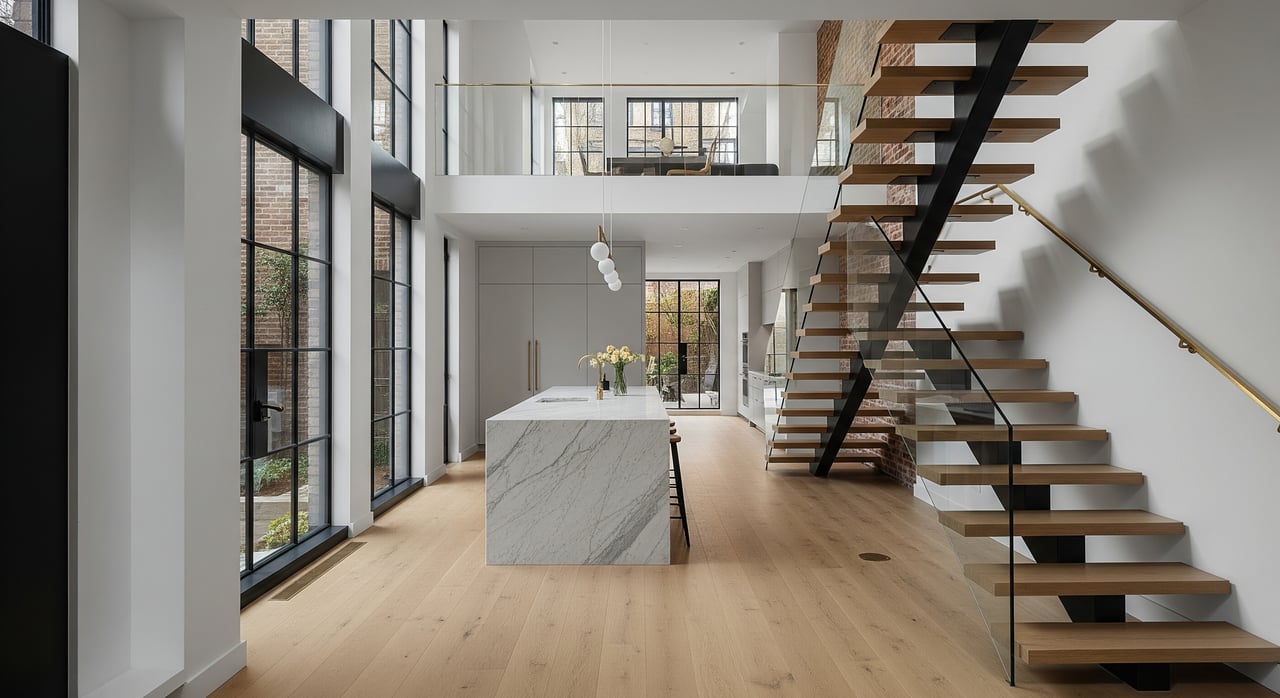
Ever look at a townhome floor plan and think it all blends together? In Bucktown, two plans that seem similar on paper can live very differently once you move in. You want walkability, a smart layout, and outdoor space that actually gets used. This guide shows you exactly how to read Bucktown townhome floor plans so you can spot great design, avoid daily-life friction, and protect resale. Let’s dive in.
Bucktown townhomes 101
Bucktown sits within Chicago’s near-northwest corridor and is known for urban energy, strong retail and dining, and quick access to the 606 Trail. Many homes sit on narrow lots and share party walls, which shapes both light and layout. Alley garages are common, roof decks are prized, and open main levels dominate newer infill.
Because ground-level yards are limited, plans often push outdoor living to balconies, terraces, and rooftops. You should expect taller, narrower footprints with multiple levels. That makes stair design, light, and circulation just as important as square footage.
How to read the entry level
Entry types and street relationship
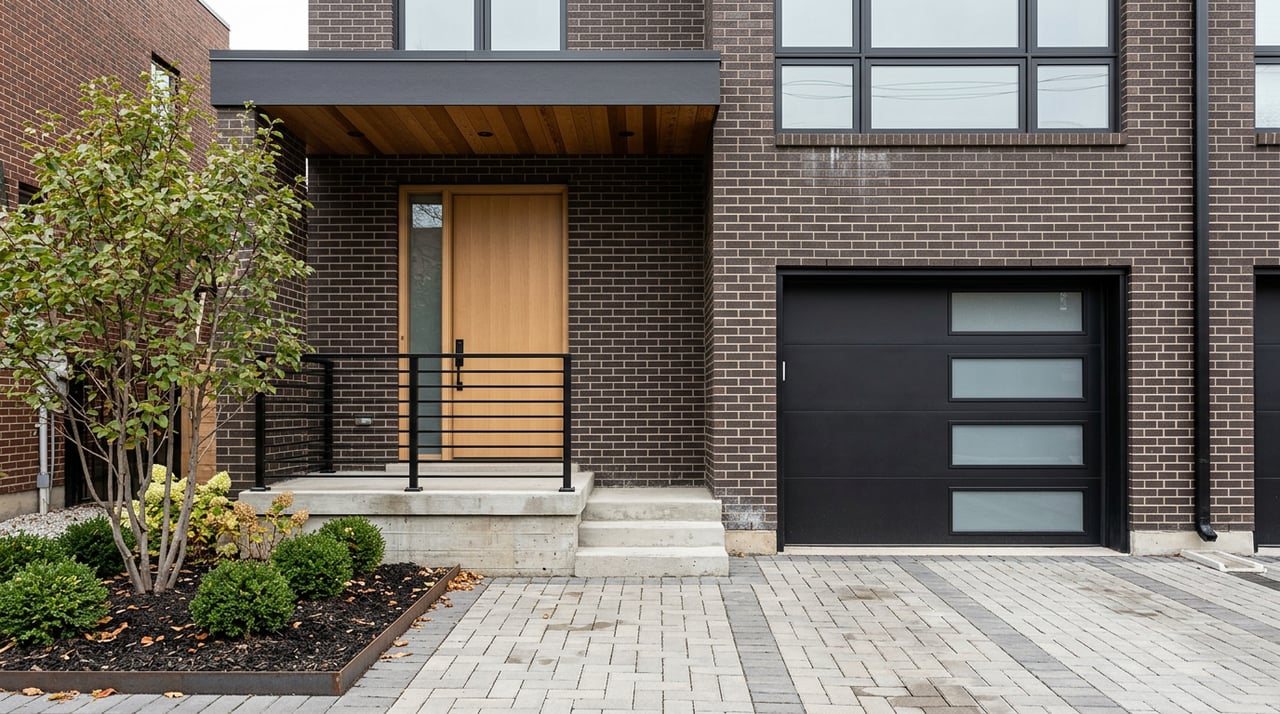
You will see three common entry configurations: direct street-level entry into the living space, a raised stoop with living a half flight up, or a ground-level foyer with garage and mudroom below the main level. Street-level living feels connected to the neighborhood but can be noisier. A foyer plus garage shields daily mess from your primary spaces.
What to check on the plan
- Do you have a coat closet, mudroom, or landing near the door or garage?
- Are there steps between the entry and the main living level?
- Are sightlines from the front door into living areas controlled for privacy?
- How far is the kitchen from where you park or enter with groceries?
Daily living impact
Trace your routines on the plan. If the kitchen sits a full flight above the garage, every grocery run becomes a workout. If the front door opens straight into the living room with no storage, clutter accumulates. An entry that fits your life reduces friction and helps resale.
Stairs and vertical circulation
Placement types
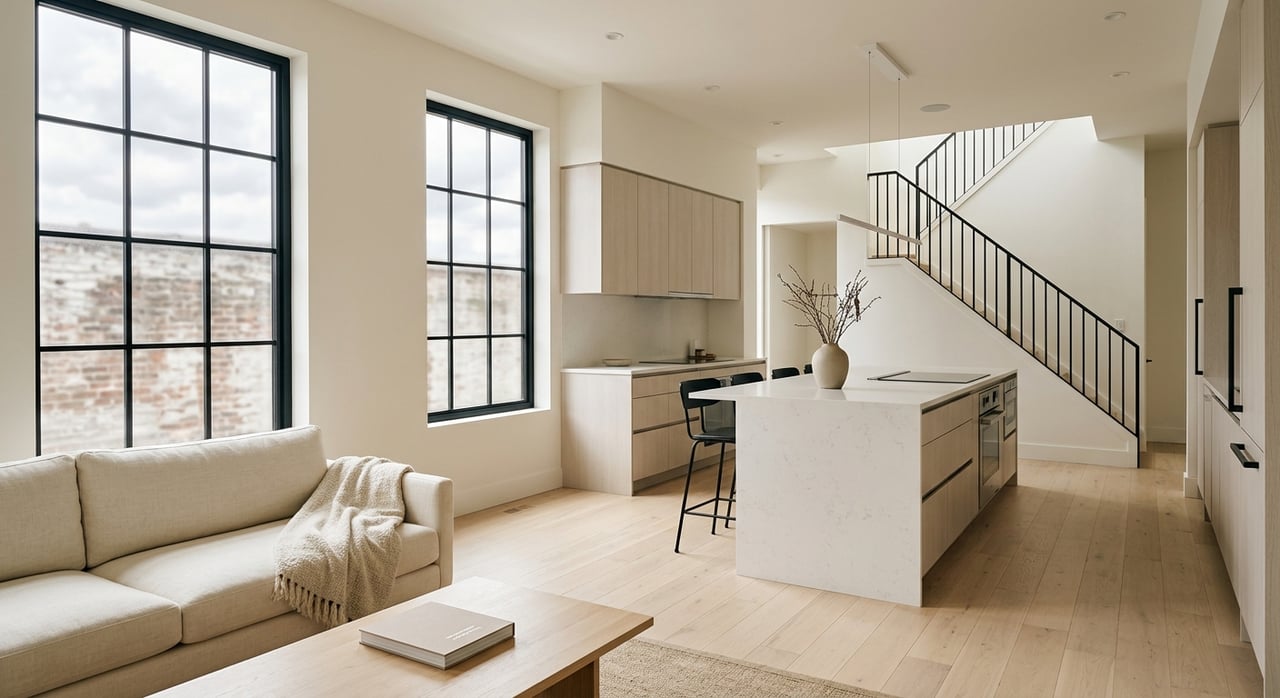
Central stairs can organize the plan and even bring light down if they are open or paired with a skylight. Side stairs preserve a larger, uninterrupted living wall for furniture. Straight runs are efficient, while L-shaped or switchback stairs can add privacy between levels.
What to check
- Does the stair slice through the living area and limit furniture placement?
- Is there storage under the stair where you need it most?
- Do nearby windows or a skylight pull daylight through the stairwell?
- Does the stair create separation between bedroom zones and living spaces?
Privacy across levels
In narrow footprints, stairs set the tone for sound and privacy. A stair that directly faces bedroom doors can transmit noise. A stair that lands near a secondary den can create a quiet buffer. The plan should show how people move without crossing through work or sleep zones.
Natural light and orientation
Party walls and front or rear glazing
Bucktown lots often have party walls that limit side windows. Plans compensate with larger glazing at the front and rear, clerestory windows, or light wells. Check window sizes and placements on both street and yard elevations.
Orientation and exposures
South and east exposures bring the most consistent natural light. West exposures offer strong late-day sun and potential heat gain. Confirm which façade faces which direction and whether main living spaces sit on the brighter side. Balanced light reduces the need for daytime lamps and boosts perceived size.
Light to lower levels
If a plan includes a lower level, look for window wells, open stairs, or borrowed light from the stair core. Without these, lower levels can feel closed off. Ensure any bedroom or flex room on lower levels has proper egress and meaningful daylight.
Ceiling heights and perceived volume
Expectations in newer infill
New construction townhomes often feature higher ceilings on the main level. Upper and lower floors can be lower. Extra height increases daylight penetration, improves the sense of scale, and is commonly marketed as a premium feature in Bucktown.
Where to find heights on plans
Look for explicit ceiling-height callouts by level. Note any dropped areas for ductwork or beams. If a double-height space is shown, confirm how it affects upstairs bedroom layouts and noise transfer.
Resale considerations
Higher ceilings on the main living floor tend to show and photograph better, which helps future marketing. Balance the appeal of extra height with heating and cooling efficiency and your own furnishing needs.
Outdoor space that works
Terraces, balconies, and compact yards
Private outdoor space is scarce and valuable. A well-designed terrace or balcony that fits a table and grill adds real utility. If there is a small yard, confirm how you access it and whether it competes with a garage for space.
Kitchen adjacency for entertaining
Outdoor areas that connect directly to the kitchen or main living zone get used more. On plans, check door swings, thresholds, and usable depths. A few extra feet can be the difference between a lounge area that works and one that does not.
Drainage and maintenance notes
Look for scuppers, downspouts, or notes on waterproofing and railings. Proper drainage and materials mean less maintenance and better long-term value.
Roof decks in Bucktown
Roof decks are a signature Bucktown amenity because ground-level yards are limited. They expand living space, frame skyline views, and play well with the neighborhood’s social vibe.
- Access: Interior stair access is more comfortable and better for resale than a hatch or exterior metal stair.
- Structure and waterproofing: Roof decks require structural design for live loads, robust membranes, and proper flashing. Ask what is included and what is warrantied.
- Permits and code: Rooftop features typically require permits and must meet guardrail and setback requirements. Confirm with the Chicago Department of Buildings and your HOA if applicable.
- Mechanicals: Decks compete with rooftop HVAC and vents. The plan should show how equipment is screened and how deck areas are laid out to avoid noise and heat.
Parking and service spaces
Alley garages are common in Bucktown. A garage on the ground level can push living areas up a floor, which may reduce natural light at grade but keeps the main level clean and quiet. Tuck-under garage designs can squeeze storage, so check for a dedicated storage room and trash route.
What to review:
- Garage location and how you carry items inside
- Door swing and ramp slope
- Sound separation between garage and living spaces
- Whether the garage eliminates a usable back yard
Mechanicals, storage, and laundry
Look closely at HVAC, water heaters, and electrical panels. You do not want noisy equipment backing a bedroom wall. Confirm laundry locations and whether appliances are side-by-side or stacked. Walk-in closets, a real pantry, and well-placed linen storage all reduce daily clutter.
If the lower level is part of the living program, confirm egress windows and ceiling heights. A bright, code-compliant lower level can serve as a media room, guest suite, or office.
Accessibility and future-proofing
Multi-level living is common in Bucktown, but you can plan for the future. Some stair cores can be designed to fit a small elevator later. Wider doorways, minimal steps at entries, and bathrooms that can be adapted make the home more versatile and broaden the buyer pool at resale.
Liveability and resale, translated
Sightlines and daily flow
Trace your day on the plan. Morning coffee near a sunlit window. Kids dropping backpacks near a defined landing. A direct path from the garage to the pantry. Small details like coat storage and a tucked-away powder room add ease that you feel every day.
Open versus zoned living
Open main levels are great for hosting, but they can amplify noise. A small den with daylight can double as a quiet office, study area, or nursery. Flexible rooms add resilience for hybrid work and increase market appeal.
Light, privacy, and noise
With party walls, front and rear windows do the heavy lifting. Plans that balance light with privacy and provide noise mitigation at the street-facing side live better and show better.
Ceiling height, outdoor space, and parking
Higher ceilings, a well-connected terrace or roof deck with interior access, and private parking are among the most desired features in Bucktown. These elements photograph well, market well, and support future value when combined with timeless finishes and a practical layout.
Your Bucktown plan review checklist
Use this checklist as you evaluate any townhome plan in the neighborhood:
- Entry and circulation
- Where is the main entry and how does it fit your routines?
- Is there a coat closet or mudroom near the door or garage?
- How many stair trips will you make each day between key spaces?
- Light and orientation
- Which façades get morning or afternoon sun?
- Are party walls limiting side windows, and how is extra daylight added?
- Ceiling and perceived space
- What are the ceiling heights on each level?
- Are there dropped areas for ductwork?
- Outdoor spaces
- What types are included and how big are they?
- Is there direct access from living or kitchen, and is the depth usable?
- Roof deck and access
- Is access via interior stair, and what structure and waterproofing is included?
- Where are guardrails, HVAC, and drainage located?
- Parking and service
- Where is the garage and how does access work?
- Is there dedicated storage and a trash route?
- Flexibility and future adaptability
- Are there flexible rooms with proper egress?
- Is there a spot for a future elevator?
- Mechanicals and systems
- Where are HVAC and water heater located, and will they be noisy?
- Is laundry properly vented and sized?
Smart questions to ask the developer or architect
- Has structural design for the roof deck been completed and included in the price?
- What waterproofing and flashing are included at roof and terraces, and what is the warranty?
- What are the exact ceiling heights by level, and are they guaranteed in the contract?
- How will party walls be built for sound attenuation, and what are the typical materials or STC targets?
- Are stairs open or closed risers, and what finishes are standard versus upgrades?
- What HOA rules govern rooftop use, HVAC placement, grilling, and exterior changes?
- Are there any shared access or maintenance agreements for the alley or common elements?
- Can you provide a furniture overlay to confirm fit and circulation?
Quick visualization moves
- Ask for a furniture plan overlay for living, dining, and bedrooms.
- Walk your daily routines on paper, from unloading the car to bedtime.
- Visit a finished or staged unit with a similar layout to confirm scale and light.
Final thoughts
Reading a Bucktown townhome floor plan is about more than counting bedrooms. It is about how you will live each day and how the home will show when you sell. Focus on entry flow, stair placement, natural light, ceiling height, outdoor access, and practical storage. When those pieces line up, you get a home that feels bigger, functions better, and holds appeal in the Bucktown market.
If you want a second set of eyes on a plan or help comparing options, reach out to Jason O'Beirne. Schedule a consultation and get neighborhood-focused guidance backed by developer-grade experience.
FAQs
How do Bucktown party walls affect natural light in townhomes?
- Party walls limit side windows, so the best plans maximize front and rear glazing, use open stairs or clerestories to pull light through, and place main living on the brighter exposure.
What should I look for in a Bucktown roof deck plan?
- Favor interior stair access, confirm structural design and waterproofing scope, check guardrail and drainage notes, and verify rooftop HVAC placement does not dominate usable deck space.
Is an alley garage worth it in Bucktown townhomes?
- Private parking is a valued amenity, but it can push living areas up a level; weigh easy unloading and storage against potential light loss at the ground floor.
How can I judge ceiling height on a townhome plan?
- Look for explicit height callouts by level and note any dropped ceilings for ductwork; higher main-level ceilings enhance light and perceived space and often aid resale.
Where should laundry be located in a multi-level townhome?
- A laundry near bedrooms reduces hauling, but a second set or a mudroom location near the garage streamlines daily life; confirm venting and appliance size on the plan.
How do floor plans influence resale in Bucktown?
- Plans with strong light, efficient circulation, flexible rooms, interior roof deck access, and private parking tend to market better and appeal to a wider buyer pool.