Wondering whether a vintage condo or new construction is the smarter move in Lincoln Park? You are not alone. In a neighborhood where historic walk-ups, converted flats, older elevator buildings, and newer infill projects all compete for attention, the right answer usually depends less on age alone and more on how you want to live day to day. This guide will help you compare character, layout, maintenance, monthly costs, and resale factors so you can make a more confident decision. Let’s dive in.
Why Lincoln Park Makes This Choice Unique
Lincoln Park is not a market where one condo style dominates everything else. According to the Chicago Metropolitan Agency for Planning snapshot, 61.8% of housing units are in buildings with five or more units, 33.9% were built before 1940, and just 8.2% were built in 2010 or later.
That mix helps explain why the vintage-versus-new question matters so much here. You are not choosing between a rare old building and a typical new one. You are choosing between two very established product types that both play a major role in the neighborhood.
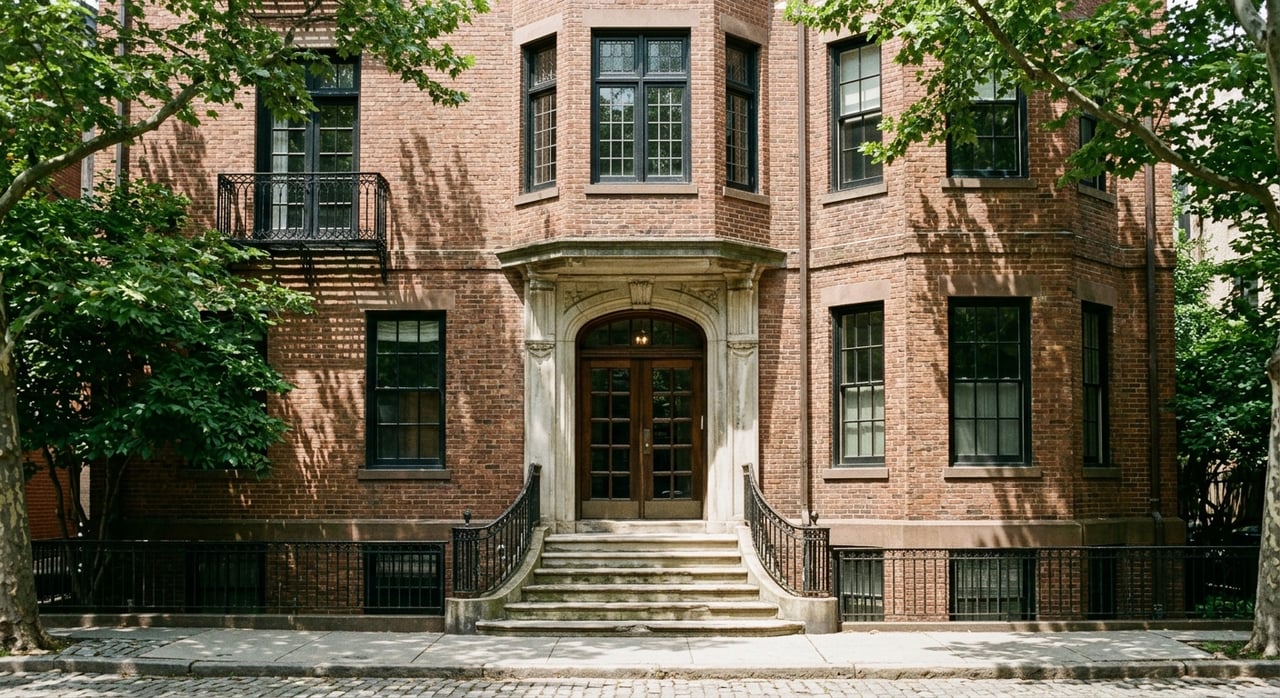
Lincoln Park’s landmark districts also reinforce its older residential character. The Lincoln Avenue Row House District, the Bissell Street District, and the Armitage-Halsted District preserve late-19th- and early-20th-century housing stock, which is a big reason vintage condos remain a defining part of the area.
What “Vintage” and “New Construction” Really Mean
In Illinois, a condominium is a form of ownership, not a building style. That means a condo can be in a prewar walk-up, a converted three-flat, an older high-rise, or a brand-new elevator building.
So when buyers compare vintage and new construction condos in Lincoln Park, they are usually comparing design, layout, finishes, building systems, and maintenance expectations. The legal structure may be the same, but the ownership experience can feel very different.
What Buyers Expect From Vintage Condos
Vintage condos often appeal to buyers who want details that are hard to replicate in newer buildings. That can include higher ceilings, defined rooms, original woodwork, exposed brick, fireplaces, private entrances, and outdoor spaces tucked into older buildings.
A current example in the neighborhood is a two-bedroom condo at 2053 N Racine in an 1895 building. The listing highlights exposed brick, crown molding, a wood-burning fireplace, a private patio, and monthly HOA dues of $250. That kind of home speaks to buyers who value charm and architectural texture.
What Buyers Expect From New Construction
New construction usually centers on convenience and a more predictable finish package. Buyers often look for open layouts, larger windows, elevator access, attached or heated garage parking, and private outdoor space.
A current Lincoln Park example at 2468 N Orchard is a new-construction four-bedroom condo with two private terraces, a rooftop deck, an elevator, and garage parking. Another recent example at 2633 N Hermitage offered a 2019-built layout with amenities such as a pool, fitness room, guest suite, dog wash, bike storage, and heated garage.
The Middle Ground: Gut-Rehab Condos
There is also an important middle category in Lincoln Park. Gut-rehabbed condos often blend older architecture with newer finishes and updated systems.
A 1900-built duplex penthouse at 2035 N Kenmore is a good example. Its listing combined stained glass, original moldings, built-ins, and a fireplace with a high-end kitchen, a rear deck, and garage parking. For many buyers, this is the sweet spot between character and convenience.
How Your Daily Lifestyle Should Drive the Choice
The best condo for you should support how you actually live. Lincoln Park has a high share of one-person and two-person households, according to CMAP, so many buyers are weighing lifestyle efficiency just as much as square footage.
If you want a home with personality, distinct rooms, and period detail, a vintage condo may feel more special from the start. If you want a simpler maintenance rhythm, newer finishes, and a more turnkey setup, new construction may fit better.
Vintage May Fit You Better If You Value
- Original architectural details
- More distinctive room layouts
- Smaller boutique buildings
- Lower-density living feel
- Character that stands out from unit to unit
New Construction May Fit You Better If You Value
- Open-concept living spaces
- Elevator access
- Attached or heated garage parking
- Newer finishes and systems
- Amenity-driven buildings
- More predictable day-one condition
Layout and Design Differences Matter More Than You Think
One of the biggest differences between vintage and new construction condos is the floor plan. Vintage units often have more defined living and dining spaces, narrower hallways, and room shapes influenced by older building methods.
New construction usually prioritizes open kitchens, larger entertaining areas, and a more seamless flow between living spaces. If you work from home, host often, or want a cleaner modern look, that difference can be significant.
This is why buyers should avoid making the decision based on age alone. In Lincoln Park, layout efficiency, natural light, storage, outdoor space, and parking often carry as much weight as the building era.
HOA Dues: Look Past the Monthly Number
One of the most common mistakes buyers make is comparing assessments without asking what those dues actually cover. A lower monthly number is not automatically better, and a higher monthly number is not automatically worse.
The current listings in Lincoln Park show why. The vintage Racine example lists $250 per month in HOA dues, while the newer Hermitage example lists $411 per month and includes a broader set of services and amenities, including common insurance, exterior maintenance, snow removal, water, scavenger, parking, a pool, fitness room, guest suite, dog wash, bike storage, and heated garage.
The right question is not just, “What are the dues?” The better question is, “What do the dues cover, and is the association planning responsibly for future costs?”
Why Reserves and Building Health Matter
In Illinois, condo common expenses can include reserves. The Illinois Department of Financial and Professional Regulation describes reserves as funds maintained by the board for purposes stated by the board or condo documents.
The same source explains that a reserve study is a physical and financial analysis of the association’s assets and common elements. Its purpose is to help determine whether the association is maintaining reasonable reserves for capital repairs.
For you as a buyer, this matters in both vintage and newer buildings. Older buildings may have more visible long-term maintenance needs, but newer buildings also require disciplined planning for roofs, masonry, elevators, mechanicals, garages, and common-area components over time.
The Documents You Should Review Carefully
At resale in Illinois, the law requires disclosure of several key association details. Those include unpaid assessments, anticipated capital expenditures for the current or next two fiscal years, the status and amount of reserve funds, the association’s financial condition, pending suits or judgments, insurance coverage, and whether prior alterations are believed to comply with condominium documents.
That means your review should go far beyond finishes and staging. In many cases, the budget packet, reserve information, and capital-project history tell you more about future ownership costs than the listing photos ever will.
Key Condo Documents to Prioritize
- Current budget
- Reserve fund information
- Reserve study, if available
- Capital project schedule
- Insurance summary
- Pending litigation or judgments
- Assessment history
- Disclosure of anticipated capital expenditures
What the Current Lincoln Park Market Suggests
Lincoln Park remains competitive. Redfin’s current condo snapshot shows 77 condos for sale at a median listing price of $646,000, with homes typically on the market about 26 days and receiving 11 offers.
Its broader housing-market page shows a median sale price of about $850,000 over the last three months and a median sale price per square foot of $500. That points to a market where buyers are still willing to move quickly when the product is compelling.
The available inventory also spans a wide range, from a $399,000 two-bedroom with exposed brick and a private entrance to a $599,000 vintage condo with a private patio to a $2.795 million new-construction condo on Orchard. In practical terms, that suggests the market is sorting heavily by condition, layout, outdoor space, parking, building quality, and finish level, not just by old versus new.
Which Type Tends to Resell Better?
In Lincoln Park, resale is usually driven more by condition, location, layout, and building health than by whether a condo is labeled vintage or new construction. A well-kept vintage home with strong character and smart updates can compete very well. A newer condo with a weak layout or average finish package may not automatically outperform it.
That is especially true in a neighborhood with such a layered housing stock. Buyers here often respond to the total package rather than a simple age category.
How to Make the Right Choice for You
If you are choosing between vintage and new construction condos in Lincoln Park, try to frame the decision as character and space versus convenience and predictability. That is often the clearest way to compare the tradeoffs.
A vintage condo may give you details and personality that are difficult to recreate. A newer condo may give you easier day-to-day living, more modern systems, and a more turnkey feel. A gut rehab may give you some of both.
The smartest move is to compare each option through the same lens:
- How well does the layout fit your routine?
- What are the true monthly ownership costs?
- How healthy is the association?
- What major projects may be coming?
- How much value do you place on character versus convenience?
In Lincoln Park, the best purchase is rarely the oldest or the newest. It is the condo that fits your lifestyle, your risk tolerance, and the realities of the specific building.
If you want help comparing condo options in Lincoln Park with a more methodical, building-by-building lens, Jason O'Beirne can help you evaluate layout, finishes, pricing, and association health so you can buy with more clarity.
FAQs
What is the difference between a vintage condo and a new construction condo in Lincoln Park?
- In Lincoln Park, the main differences are usually layout, finishes, building systems, amenities, and maintenance expectations rather than the legal ownership structure, since both can be condos under Illinois law.
Are vintage condos in Lincoln Park always less expensive than new construction?
- No. Current Lincoln Park inventory shows a wide price range, and larger or better-renovated vintage condos can compete with newer product depending on condition, layout, outdoor space, parking, and building quality.
What condo documents matter most when buying in Lincoln Park?
- The most important documents usually include the budget, reserve information, reserve study if available, capital project schedule, insurance summary, assessment history, and any disclosures about pending suits, judgments, or anticipated capital expenditures.
Are higher HOA dues in Lincoln Park condo buildings always a bad sign?
- No. Higher dues may reflect broader services, amenities, insurance, maintenance, or parking costs, so it is more useful to understand what the dues cover and whether the association is funding reserves responsibly.
Which condo type has better resale potential in Lincoln Park?
- In Lincoln Park, resale potential is usually shaped more by condition, location, layout, and building health than by whether the condo is vintage or new construction alone.