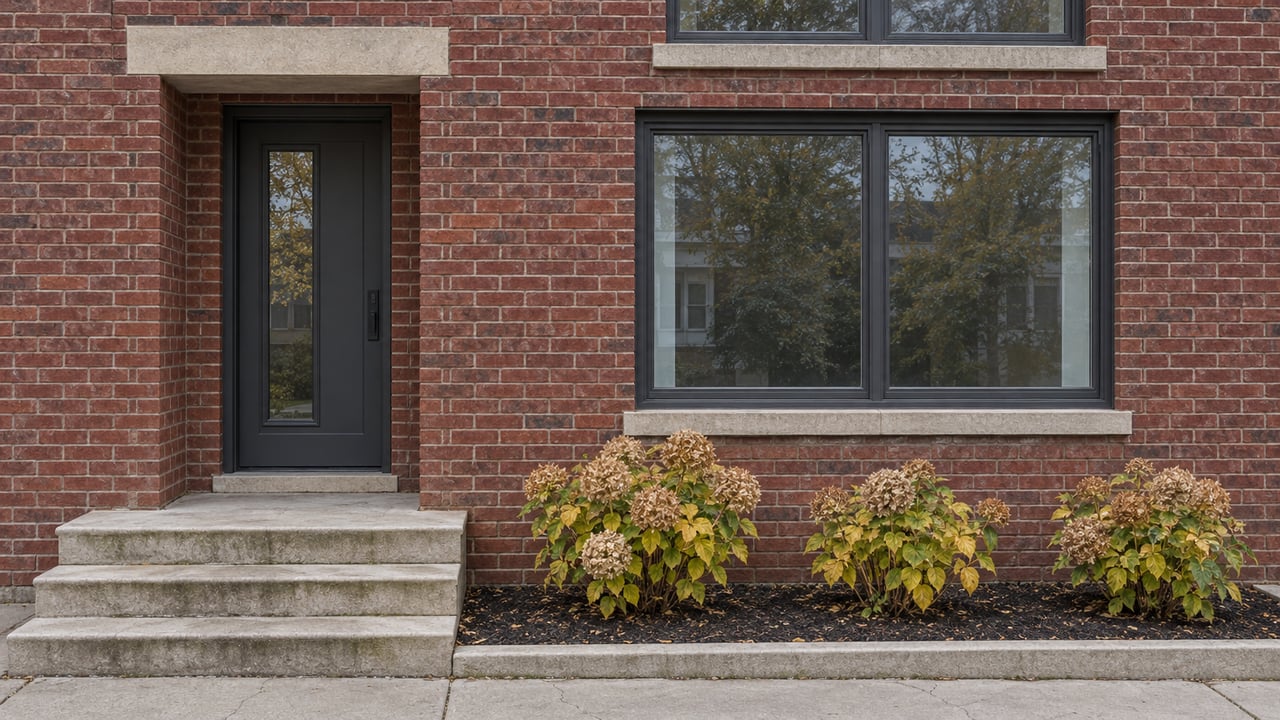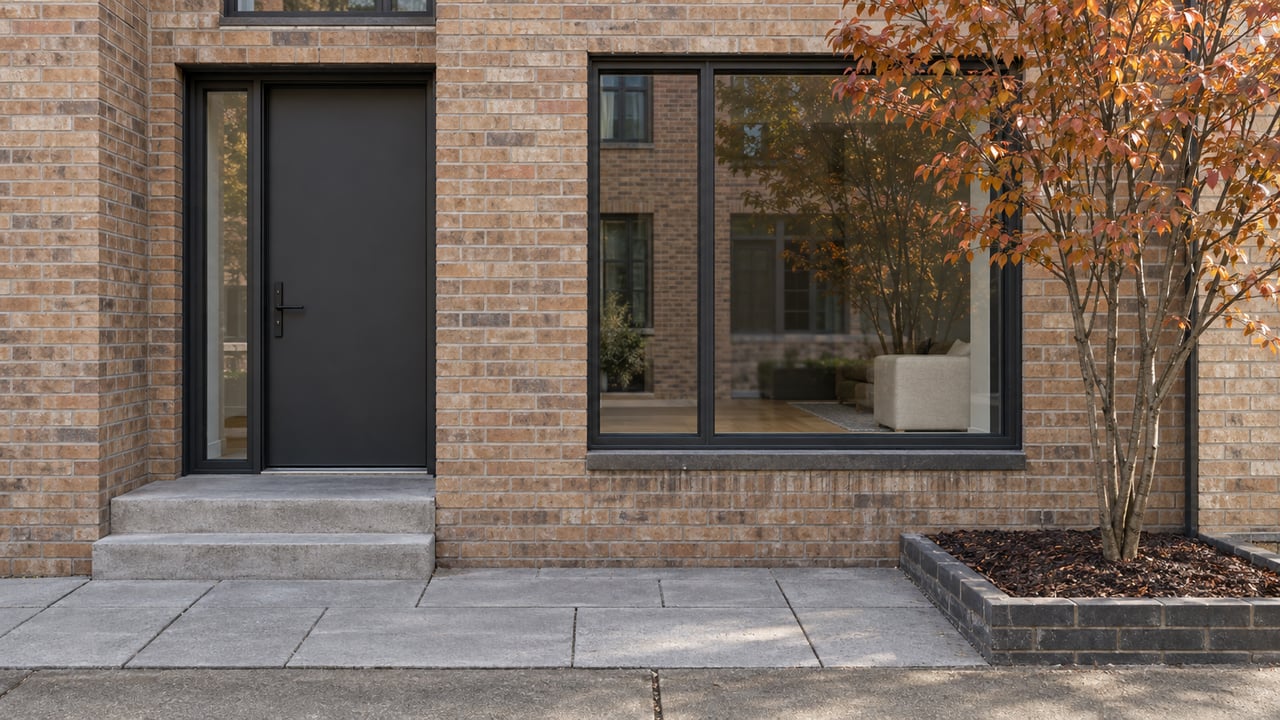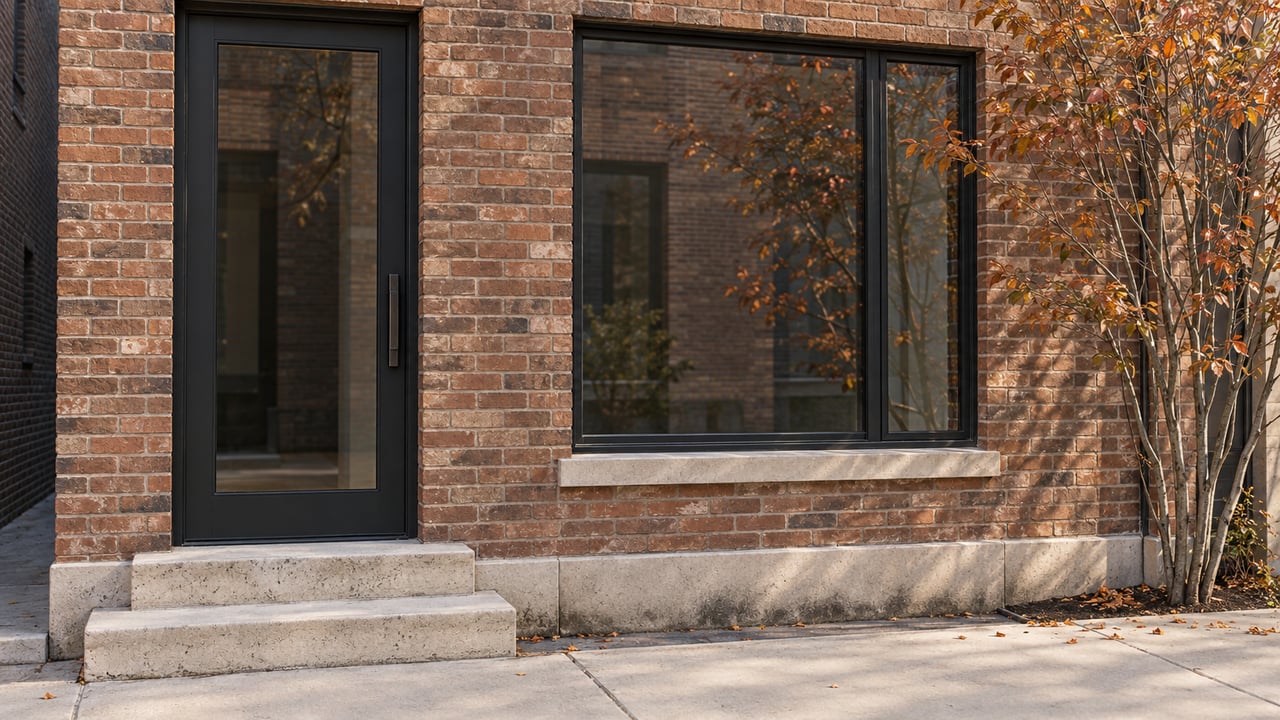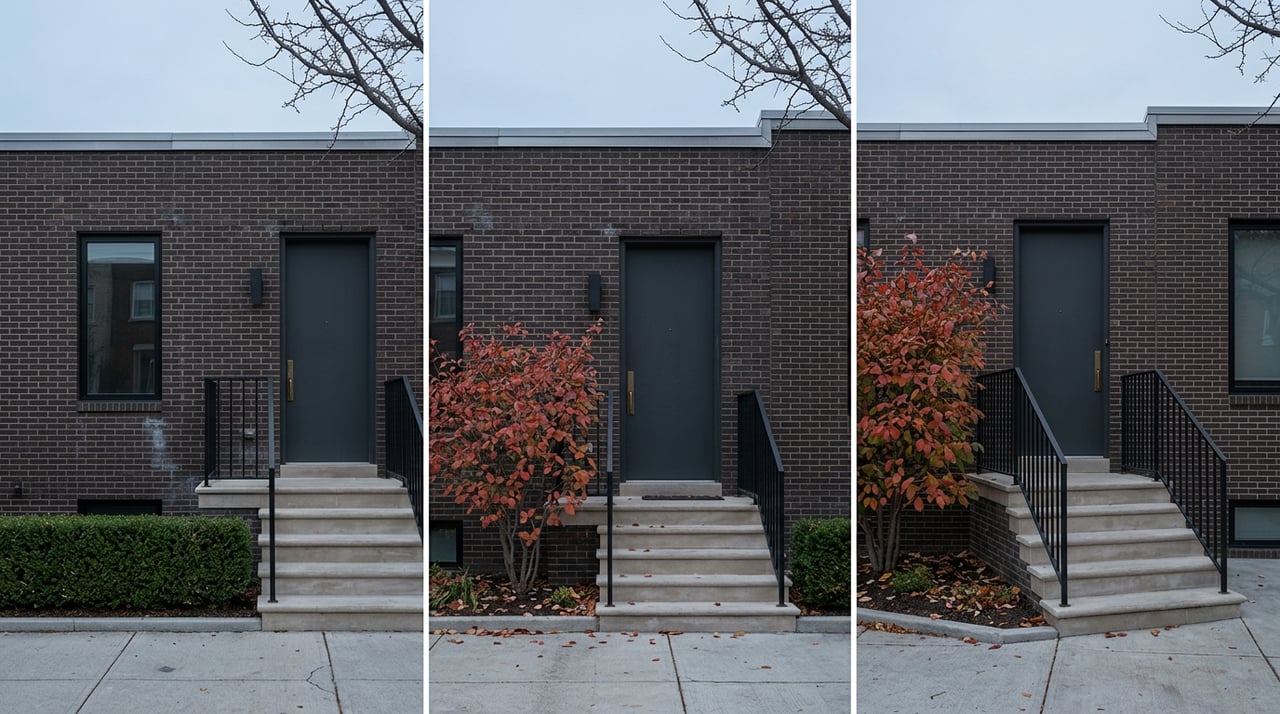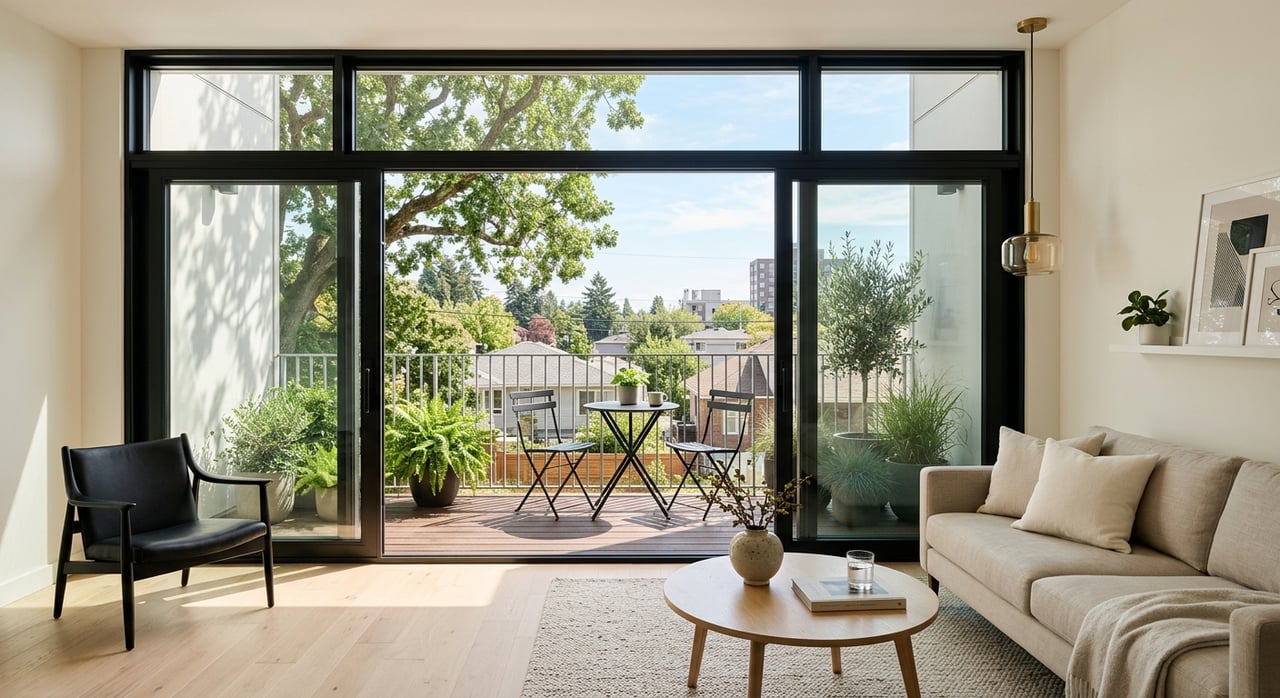
If you are thinking about buying in West Town, the real question may not be where you want to live, but how you want your building to feel once you get home. In a neighborhood known for older housing stock, local restaurants, and a strong arts-and-culture identity, your day-to-day experience can look very different in a classic walk-up than it does in a larger condo building. This guide breaks down the tradeoffs so you can choose the setup that best fits your routine, priorities, and budget. Let’s dive in.
West Town's Housing Mix
West Town is one of Chicago’s official community areas, and it has a housing profile that helps explain why this choice comes up so often. CMAP data shows that 10.9% of housing units are in 2-unit buildings and 32.1% are in 3- or 4-unit buildings. Together, that means 43.0% of the housing stock is in 2-to-4-unit properties.
That smaller-building presence matters because it shapes the feel of the neighborhood. West Town also has a meaningful share of larger buildings, with 13.9% of units in buildings with 20 or more units. On top of that, 40.0% of the housing stock was built before 1940, which helps explain why older walk-ups and traditional small multi-unit buildings remain such a visible part of the streetscape.
West Town is also renter-heavy, with 58.1% renter-occupied homes and 41.9% owner-occupied homes. For buyers, that means you may see a broad mix of property types, building styles, and ownership structures as you search.
What Walk-Up Living Means
A walk-up is simply a building with several floors and no elevator. In practical terms, that means your daily routine depends on stairs, whether you are bringing up groceries, carrying packages, heading out with a dog, or coming home late at night.
In West Town, walk-up living often overlaps with the city’s long-established two-flat and three-flat housing types. The Chicago Architecture Center notes that two- and three-flats make up about a quarter of Chicago’s housing and are closely tied to the city’s immigrant history. In a neighborhood like West Town, that building form fits naturally with the area’s older housing stock and strong share of 2-to-4-unit buildings.
Why Smaller Buildings Feel Different
One of the biggest appeals of a walk-up or small multi-unit building is scale. HUD’s building-form discussion describes walk-ups as places where only a small number of households share interior circulation areas. That usually creates a more personal daily environment, with fewer people using the same entry, stairs, and landings.
For some buyers, that smaller scale feels quieter and more connected. You may feel like the building belongs to just a handful of households instead of functioning like a larger, more anonymous property. If you value a low-key, less lobby-driven experience, that can be a major plus.
Privacy can feel different too. In a smaller building, a backyard, rear porch, or stair landing may feel tied to only a few units rather than a much larger group of residents. The tradeoff is that your routine can also feel more visible, since you tend to cross paths with the same small set of neighbors more often.
Common Walk-Up Advantages
- Fewer households sharing entries and stairs
- A more personal, smaller-scale building feel
- Outdoor areas that may feel more directly connected to a limited number of units
- A building type that fits West Town’s older housing character
Common Walk-Up Considerations
- No elevator
- Stair-dependent daily routine
- Less separation between your front door and shared circulation space
- Fewer formal building systems compared with larger properties
What Larger Buildings Offer
Larger condo buildings create a different ownership and living experience. In West Town, CMAP data shows that 13.9% of units are in buildings with 20 or more units, so this is not a niche option. It is a meaningful part of the local housing mix.
The biggest difference is often structure. In a larger condo building, shared spaces and building systems are usually managed through a more formal association setup. Under Illinois condo law, common expenses include reserves, and budgets must provide for reasonable reserves for capital expenditures and deferred maintenance of common elements.
That usually means the financial side is more standardized and easier to spot upfront. Condo or HOA dues are typically paid directly to the association rather than through your mortgage payment, and those dues can range from a few hundred dollars to more than $1,000 per month, according to the CFPB. The CFPB also notes that special assessments can exist, so buyers should look closely at both regular dues and the broader financial health of the association.
How Outdoor Space Differs
Outdoor space is one area where the difference between these property types becomes very real. Illinois condo law defines limited common elements to include things like balconies, terraces, patios, and parking spaces or facilities. That helps explain why outdoor areas in larger condo buildings are often shared, limited-use, or governed by association rules.
In a smaller walk-up, outdoor space may feel more direct and less institutional because fewer households are connected to it. In a larger building, outdoor access may still be valuable, but it often exists within a more structured framework. If you care a lot about how private, flexible, or regulated your outdoor space feels, this is worth paying close attention to during your search.
Privacy Versus Anonymity
This is where the decision often becomes more personal than financial. A smaller walk-up usually offers more intimacy because fewer people share the building. You may recognize everyone who comes and goes, and the building can feel more familiar on a daily basis.
A larger condo building often offers the opposite. With more shared infrastructure and more people moving through the property, it can feel less intimate but also less neighbor-obvious. For some buyers, that added anonymity is a benefit rather than a drawback.
Neither option is better across the board. It really comes down to whether you want your home life to feel more personal and close-knit, or more separate and self-contained.
West Town Lifestyle Stays the Same
The good news is that both building types can place you in the same neighborhood ecosystem. West Town is widely described by official neighborhood and visitor sources as a destination for shopping, dining, nightlife, and culture, with a strong mix of restaurants, public art, live music, and long-standing cultural institutions.
Choose Chicago highlights destinations along Chicago Avenue and points to places such as Forbidden Root, Soulé, Kasama, Midwest Coast Brewing, District Brew Yards, the Ukrainian National Museum, the Ukrainian Institute of Modern Art, and The Empty Bottle. The West Town Chamber also highlights recurring events such as West Town First Fridays, public art programming, Restaurant Week, and summer street festivals.
That means your building choice does not have to define your neighborhood lifestyle. Whether you choose a two-flat-style walk-up or a larger condo building, you can still plug into the same restaurants, events, and cultural rhythm that draw buyers to West Town in the first place.
How Daily Routine Can Guide You
Your decision may become clearer when you think about your average week rather than your ideal weekend. CMAP data shows that 36.8% of West Town residents work at home, 18.5% commute by transit, and 7.3% walk or bike. That suggests many residents live in a way that keeps daily life local.
If you work from home, run frequent errands, or like stepping out easily for coffee, dinner, or neighborhood plans, the building itself becomes part of your routine in a very immediate way. A stair-first walk-up may feel simple and personal, while a larger building may feel more structured and system-driven. Since both can sit within the same local dining and culture scene, the key question is how you want the building to support your everyday flow.
Which Option Fits You Best
If you are early in your search, the simplest way to frame it is this: a West Town walk-up or two- to three-flat usually offers a smaller-scale, stair-first, more personal living environment. A larger condo building usually offers a more formal association structure, more shared systems, and outdoor space that is often governed as common or limited common elements.
That does not make one automatically better than the other. It means the right choice depends on how you weigh privacy, stairs, monthly dues, outdoor space, and the overall feel of shared living. In West Town, where both formats are part of the neighborhood fabric, buyers usually do best when they compare not just finishes and price, but also the kind of daily experience they want.
If you want help sorting through West Town options with a clear eye on building type, ownership structure, and day-to-day fit, schedule a consultation with Jason O'Beirne.
FAQs
What is a walk-up building in West Town?
- A walk-up is a building with several floors and no elevator, and in West Town it often overlaps with smaller two-, three-, or four-unit properties.
How common are small multi-unit buildings in West Town?
- CMAP data shows that 43.0% of West Town housing units are in 2-to-4-unit buildings, including 10.9% in 2-unit buildings and 32.1% in 3- or 4-unit buildings.
How common are larger condo buildings in West Town?
- CMAP data shows that 13.9% of West Town housing units are in buildings with 20 or more units.
How does outdoor space work in larger West Town condo buildings?
- In larger condo buildings, balconies, terraces, patios, and some parking areas are often treated as common or limited common elements under Illinois condo law, which means their use may be governed by association rules.
What costs should buyers review in a larger West Town condo building?
- Buyers should review monthly condo or HOA dues, what those dues cover, and whether the association may have special assessments or reserve-related obligations for future repairs and maintenance.
Does building type change the West Town neighborhood experience?
- Usually not in a big-picture way, because both walk-ups and larger condo buildings can give you access to the same West Town dining, culture, nightlife, and local events.