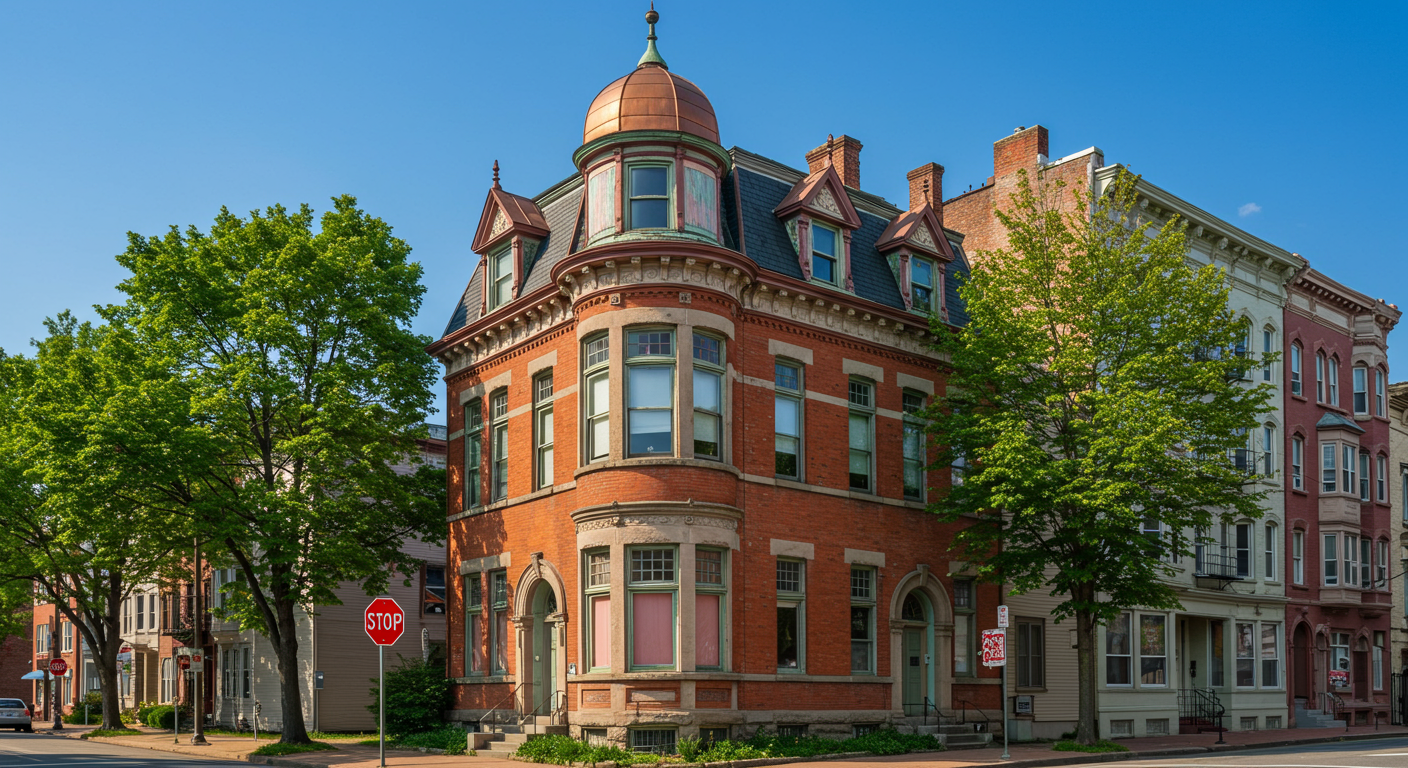
Pilsen Historic District, 21st near Ashland. Photo cropped from the original, taken in 2010 by Andrew Jameson, via Wikimedia Commons.
In this series of blog posts, we provide a summary of the neighborhoods where we’re currently listing and developing homes. In this post, I’ll be focusing on living in Pilsen Chicago.
Pilsen is on the city’s Lower West Side. A historically working class, residential neighborhood that has long been a gateway for immigrants moving to Chicago, Pilsen has recently gained notoriety as a cool neighborhood — to the delight of some residents and the concern of others.
Throughout the years, Pilsen residents have been comprised mostly of immigrants, from Eastern Europe in the early days and more recently from Latin America. Today, Pilsen is a unique haven for creative culture, from the murals that dot the neighborhood and the small storefront galleries to the independent coffee shops and authentic Mexican restaurants.

One of many murals in the Pilsen neighborhood. The 16th Street railroad embankment is home to several such beautiful pieces of public art. Photo cropped from the original, taken in 2014 by Brian Lauer [CC BY 2.0], via Flickr.
Read on to see why it’s always a beautiful day to be living in Pilsen Chicago.
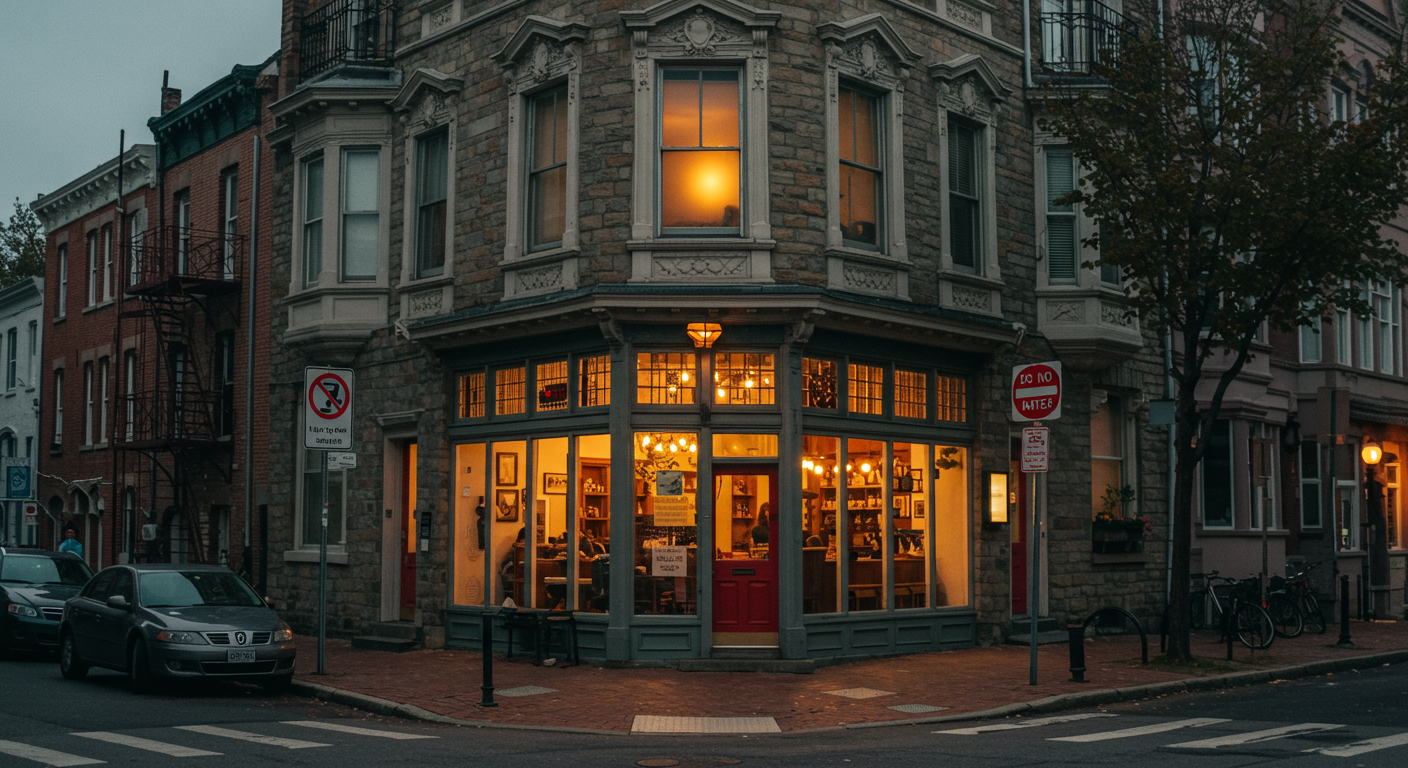
Cafe Jumping Bean, a Pilsen institution, on the corner of 18th Street and Bishop. They’ve been serving the community since 1994. Photo cropped from the original, taken in 2010 by David Hilowitz, via Wikimedia Commons.
There is always something to do in Pilsen, especially for fans of the arts and authentic Mexican and Italian dining.
Thalia Hall is one of the neighborhood’s biggest hubs. Designed as an opera house in 1892, this landmark venue hosts concerts, comedy shows, and other entertainment acts by well-known artists. There are three separate restaurants/bars on the premises, too — making it the perfect place for an all-encompassing date on those bitter cold January nights.
While Pilsen is mostly known for its Mexican dining — the options are both myriad and, often, excellent — there are also a handful of nearby old-school Italian restaurants on Oakley just south of 24th Street, in the Heart of Chicago area, that are also worth a visit.
Visiting all of the independent art galleries and studios in Pilsen would take more than a day, and maybe more than a weekend, depending on your pace. One highlight is Woman Made Gallery, which features exhibits by female artists as well as live performances.
Of course, no lover of the arts should miss a visit to the National Museum of Mexican Art, a highly regarded cultural institution.
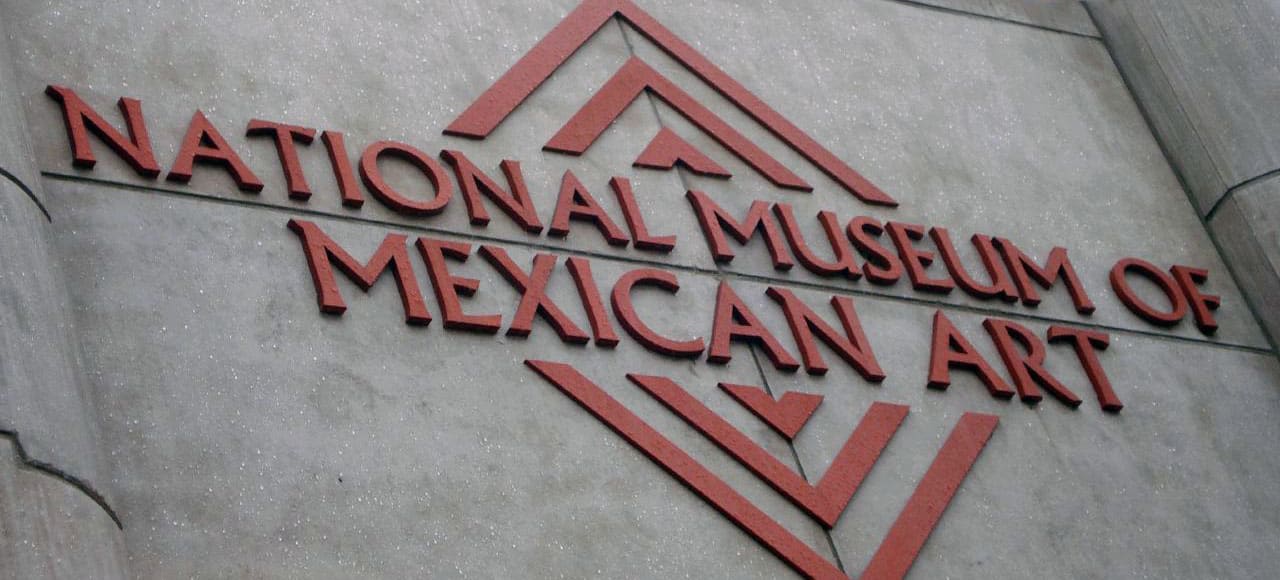
The National Museum of Mexican Art. Photo cropped from the original, taken in 2007 by Michael Lehet [CC BY-ND 2.0], via Flickr.
Next, Pilsen is a great place to find eccentric gifts and pieces for yourself or your home. There are great resale furniture shops, vintage clothing stores, and even a special used bookstore run by a nonprofit focused on community literacy.
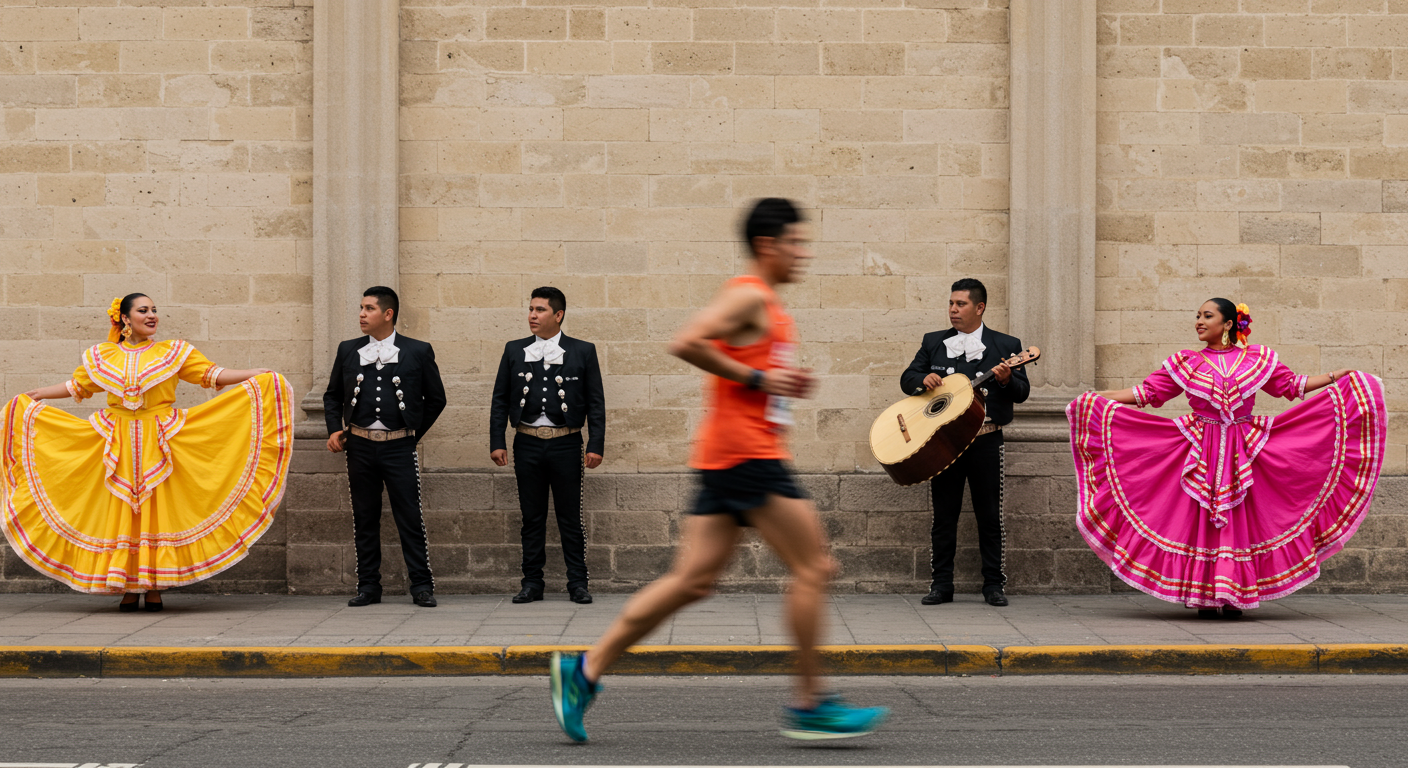
Dancing during the Chicago Marathon, an annual tradition. Photo cropped from the original, taken in 2006 by Señor Codo, via Wikimedia Commons.
The Numbers
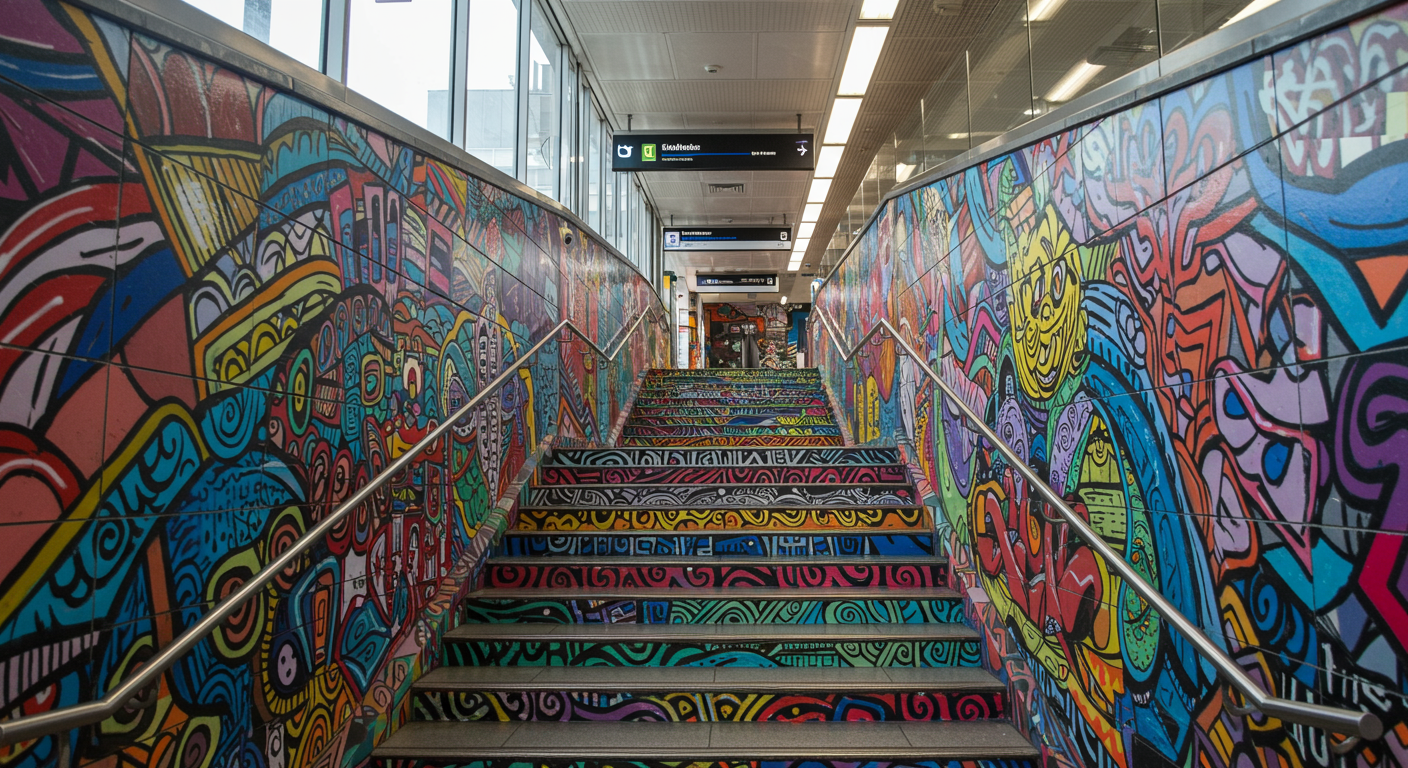
The 18th Street El Pink Line stop stairway. Photo cropped from the original, taken in 2007 by Richie Diesterheft [CC BY 2.0], via Flickr.
A typical commute to the Loop from Pilsen using public transportation takes anywhere from 20 to 30 minutes, door to door, depending on when you get out the door. To get to O’Hare Airport via public transportation takes about an hour and 10 minutes. By car, a typical drive to the Loop without traffic takes about 10 to 15 minutes, and a trip to O’Hare is around 20 to 30 minutes, sans traffic.
Walkscore.com considers Pilsen very walkable, meaning most errands can be accomplished on foot. The neighborhood is also considered very bikeable, and it has good transit.
Zillow does not have data on home values in Pilsen.
A Bit of History
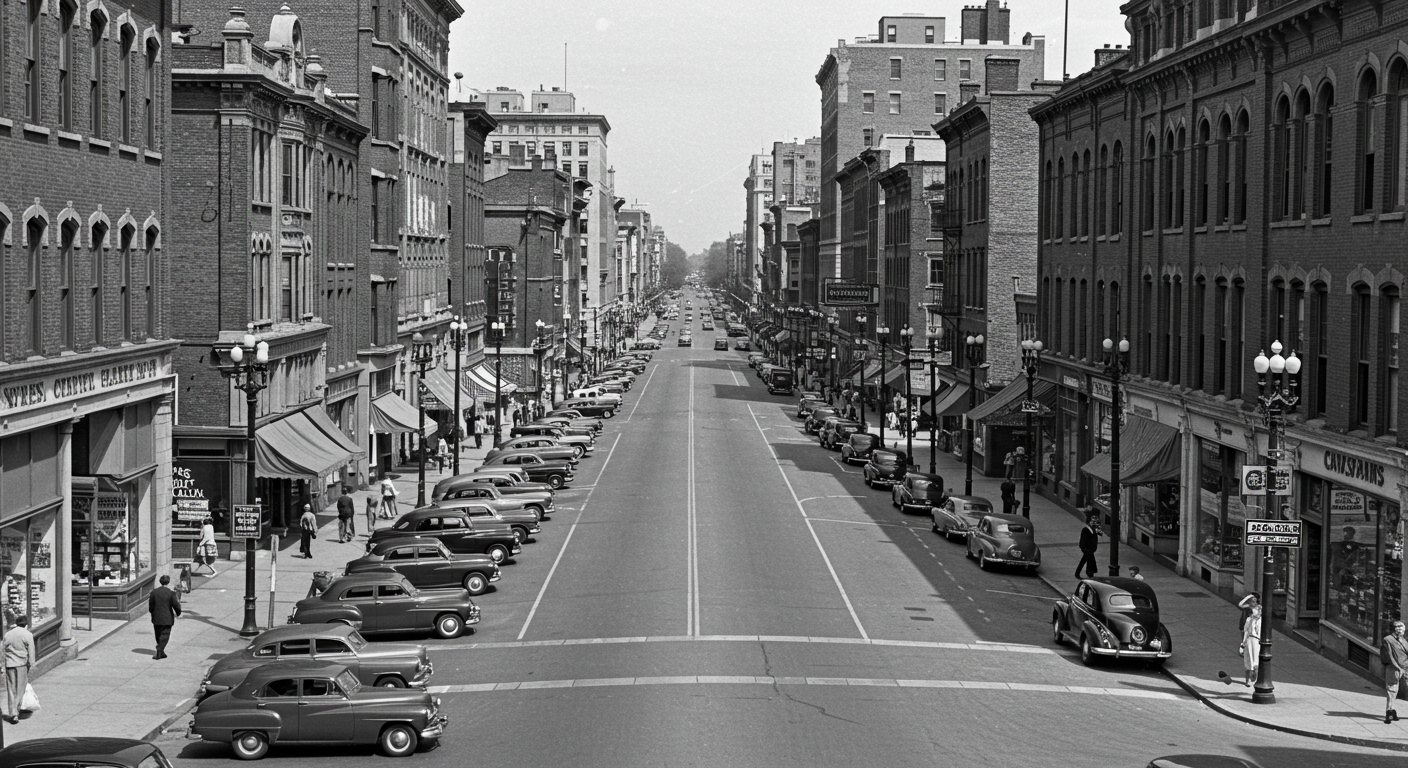
A Pilsen street scene in 1951. Photo cropped from the original, by Joe+Jeanette Archie [CC BY 2.0], via Flickr.
In the 1840s, improved transportation routes to what is now Pilsen led German and Irish immigrants to settle in the area. Massive factory and industrial companies moved to the neighborhood after the 1871 fire, and the subsequent job creation brought Bohemians to what is now 18th Street. One resident named his restaurant “At the City of Plzen” in honor of the second largest city in West Bohemia (now the Czech Republic), giving the neighborhood its moniker.
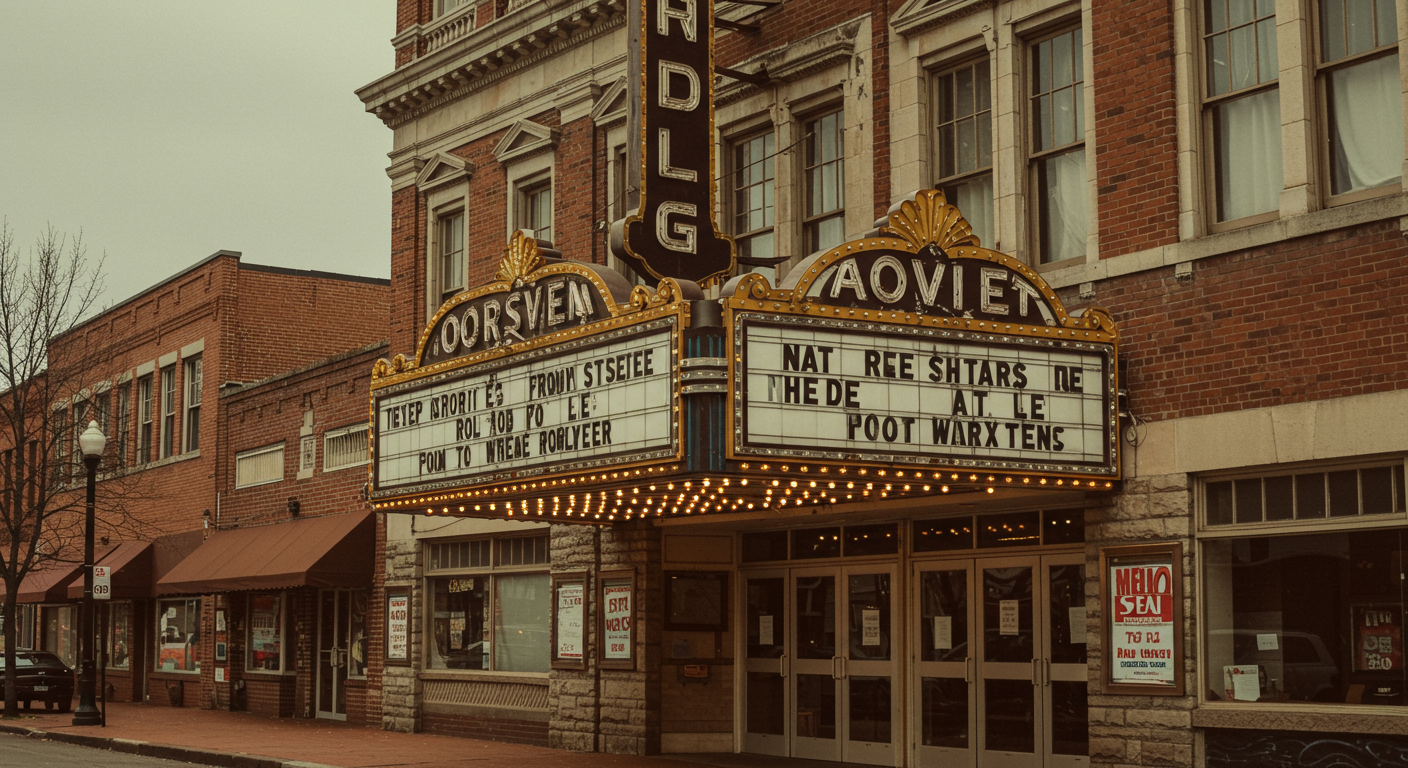
A photo of the historic Milo Theater, taken in 1948. This theater was located at 1821 S. Loomis Street and was built in 1925. It was likely demolished in the 90s — a parking lot has been in this location since 2003. Photo cropped from the original by Joe+Jeanette Archie, via Wikimedia Commons.
More immigrants, including some Mexicans, settled in Pilsen during World War I because of labor shortages. The Mexican population increased in the 1950s and 60s as they were displaced from the Near West Side due to the expansion of University of Illinois in Chicago. The community has remained a gateway for Hispanic immigrants to this day.
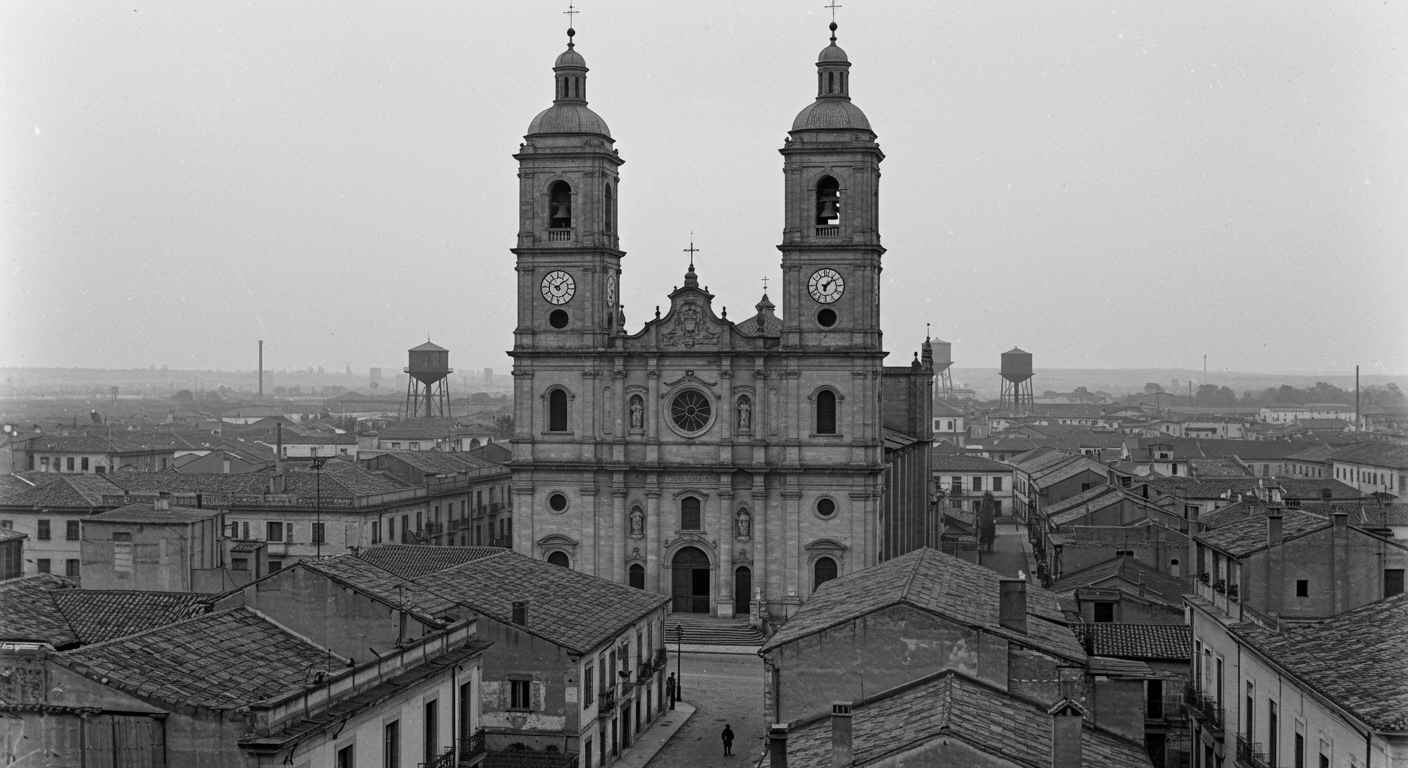
A photo of the historic Pilsen Catholic church, St. Adalbert, taken in 1951. As the tallest structure in Pilsen, its towers are an iconic part of the neighborhood. The church was built in 1914. Unfortunately, St. Adalbert’s final mass is being held this month: Repairs and necessary overhauls to the building have been deemed too costly. Photo cropped from the original by Joe+Jeanette Archie [CC BY 2.0], via Flickr.
If you’d like to learn more about living in Pilsen Chicago, I recommend exploring the following resources:
- Pilsen Neighbors Community Council
- The Pilsen Alliance
- Greater Pilsen Economic Development Association
- The Encyclopedia of Chicago’s Pilsen entry
- Time Out Chicago’s feature on two Pilsen residents’ favorite places (from 2015, but mostly still relevant)
- Choose Chicago’s Pilsen roundup
- The Infatuation’s Guide to Pilsen Restaurants
- WTTW’s History of Pilsen
- Culture Trip’s Top 10 Things to See and Do in Pilsen, Chicago (from 2017)
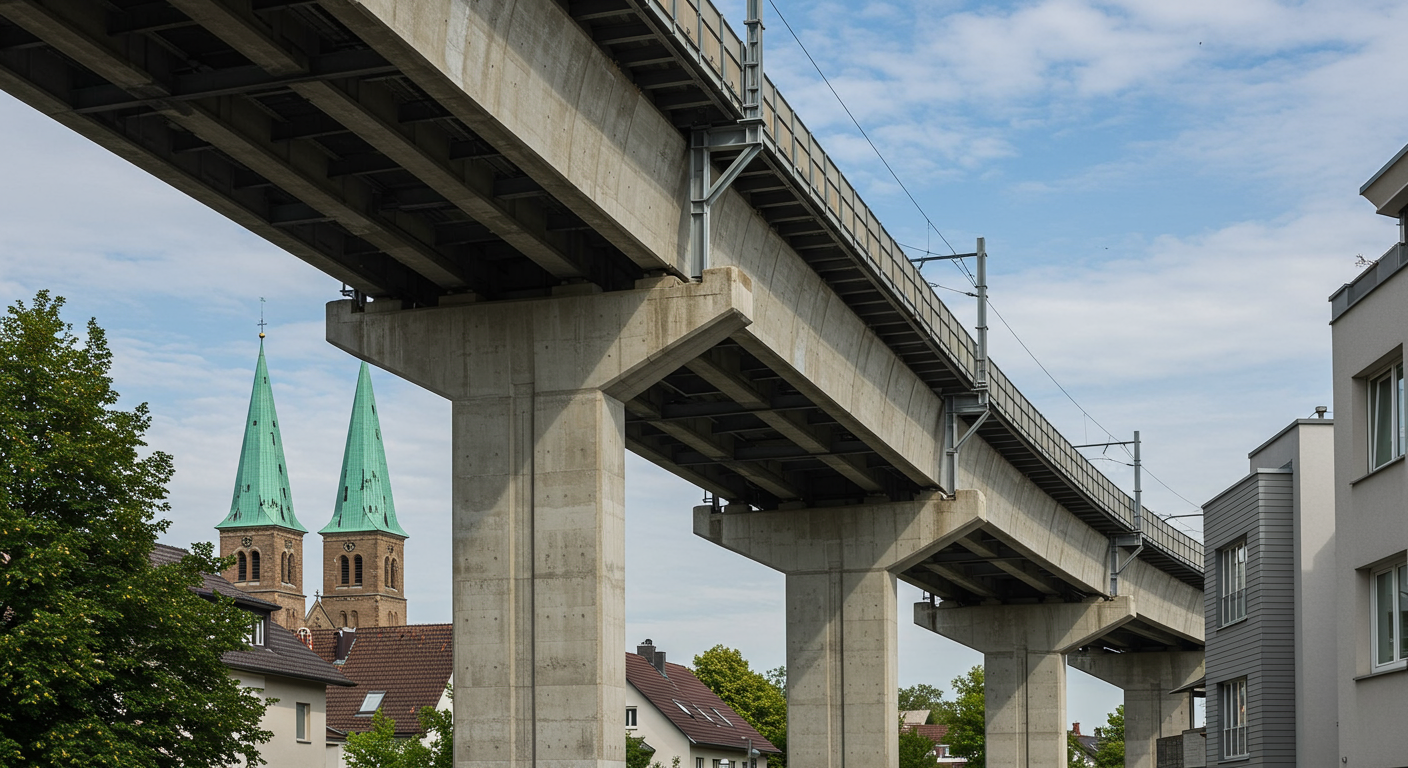
A cityscape view under the El. Photo cropped from the original, by Brian Lauer [CC BY 2.0], via Flickr.
Interested in living in Pilsen Chicago? Check out this condo I’ve recently listed at 1618 S Halsted. Please feel free to contact me for more information on buying — or selling — a home in Pilsen.